
ESR
/
ES Resources Curriculum Projects
/
Spanish Inquisition: Four Ethnic Studies Classroom Activities and Teaching Resources
Spanish Inquisition: Four Ethnic Studies Classroom Activities and Teaching Resources.
https://esresources.org/storage/uploads/final-edict-of-expulsion-expert-annotations.pdf
PDF document
Open the documentAbout the resource
What's Included?
Teacher Guide - A complete guide for teaching all four activities, including lesson steps, teacher scripts, discussion questions, instructional guidance, and suggested extensions. Educators can select and adapt activities based on their students, available time, and course goals.
Key Terms & Definitions - A student-facing reference guide defining key terms students encounter throughout the collection, including Inquisition, converso, Judaizer, crypto-Judaism, Sephardic, and Morisco. The definitions provide historical context students can use as they read, analyze sources, and develop historical questions.
Packet 1 - History of the Inquisition
Students explore a digital archive before reading and annotating background material on the Spanish Inquisition and conversos. They then examine the questions they generate while reading and practice transforming them into researchable historical questions.
Packet 2 - Teresa de Lucena: A Family Story
Students learn about Teresa de Lucena and her family through a historical reading that raises questions about persecution, coercion, secrecy, agency, family relationships, and the limits of the historical record. Students connect the problem of missing histories to their own thinking about family stories, memory, and what future historians might—and might not—be able to know.
Packet 3 - Edict of Expulsion
Students examine the 1492 Edict of Expulsion through the ES Resources Expert Annotations & Expert Learner model. Guided questions ask students to consider the language, purpose, evidence, power, and historical context of a primary source that ordered the expulsion of Jews from Spain.
Packet 4 - Conversos in New Mexico
Students examine the history of conversos and Crypto-Jewish descendants in the American Southwest and Latin America through primary sources and visual analysis. The activity explores how identity can be hidden, preserved, transformed, and reclaimed across generations, with attention to ancestry, cultural memory, belonging, and systems of power.
Jewish Histories in Hispanic Heritage Month?
National Hispanic Heritage Month is associated with the histories and cultures of Latino/x/a and Chicano/x/a communities in the United States. The word Hispanic also points us toward the history of the Spanish-speaking world and the people whose lives were shaped by it before, during, and following the colonial period.
The Inquisition, which began in Spain in 1478 and was later adopted in Portugal, lasted for 356 years (until 1834). The history of the Inquisition is not a story about a distant group of people who simply disappeared from history. It is a story about survival, loss, and the transformation of families and communities across generations.
The Inquisition was not simply a disagreement over religious beliefs, but a system of religious persecution backed by the power of the government, monarchy, and the Catholic Church. During the Inquisition, people suspected of “heresy” could have their property seized, be investigated, denounced, imprisoned, interrogated, threatened with torture, and in some cases executed. The Inquisition was violent and conversion to Catholicism was often forced or coerced for Jewish and Muslim populations.
At its peak during the Middle Ages, the Iberian Peninsula was home to one of the most thriving Jewish communities in history, numbering between 250,000–400,000 people and making up an estimated 5 to 10 percent of the total Iberian population (present-day Spain and Portugal). Before the Edict of Expulsion from Spain, Jews had lived and contributed to the region for roughly 1,500 years – since the time of the Roman Empire and continuing through Visigoth, Islamic (Al-Andalus), and Christian rulers.
The impact of the Inquisition is not confined to one region.
After the Edict of Expulsion in 1492 (Alhambra Decree), the Spanish Empire expelled all remaining Jews.
Jewish and crypto-Jewish refugees may have either joined established communities or were forced to make new ones. By the time of the mass expulsion, the practicing Jewish community had significantly thinned due to centuries of intense persecution, violent pogroms, forced conversions and, eventually, expulsion. At the same time, over generations many people of Jewish descent became part of the Christian populations, meaning that the descendants of people who had converted under very different circumstances are not necessarily identifiable as Jewish today.
The guide also introduces the history of Muslim conversion, Morisco communities, and the mass expulsion of the Moriscos from Spain between 1609 and 1614, helping students examine how changing systems of religious and political power affected both Jewish and Muslim communities over time.
The story of religious persecution in Iberia continued beyond 1492. During the colonial period, Inquisition-style persecution traveled globally, into Spanish and Portuguese colonies across the ocean. Today, researchers estimate that about 20 percent of the population in the Iberian Peninsula (present-day Spain and Portugal) carries the genetic markers associated with Sephardic Jewish ancestry. In a genetic study of 6,600 people from five Latin American countries, 23 percent of the sampled communities displayed traces of Sephardic Jewish ancestry.
Additional Curricula 10
-
New
-
New 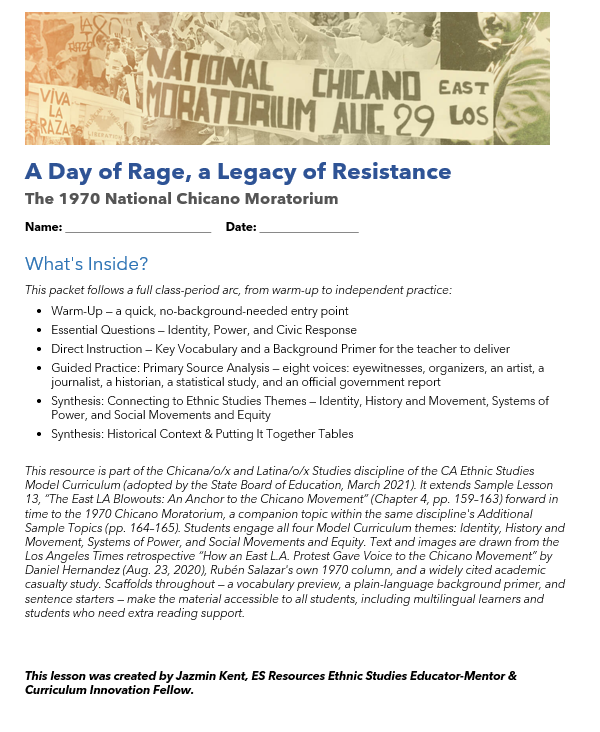
The 1970 National Chicano Moratorium: A Day of Rage, A Legacy of Resistance
-
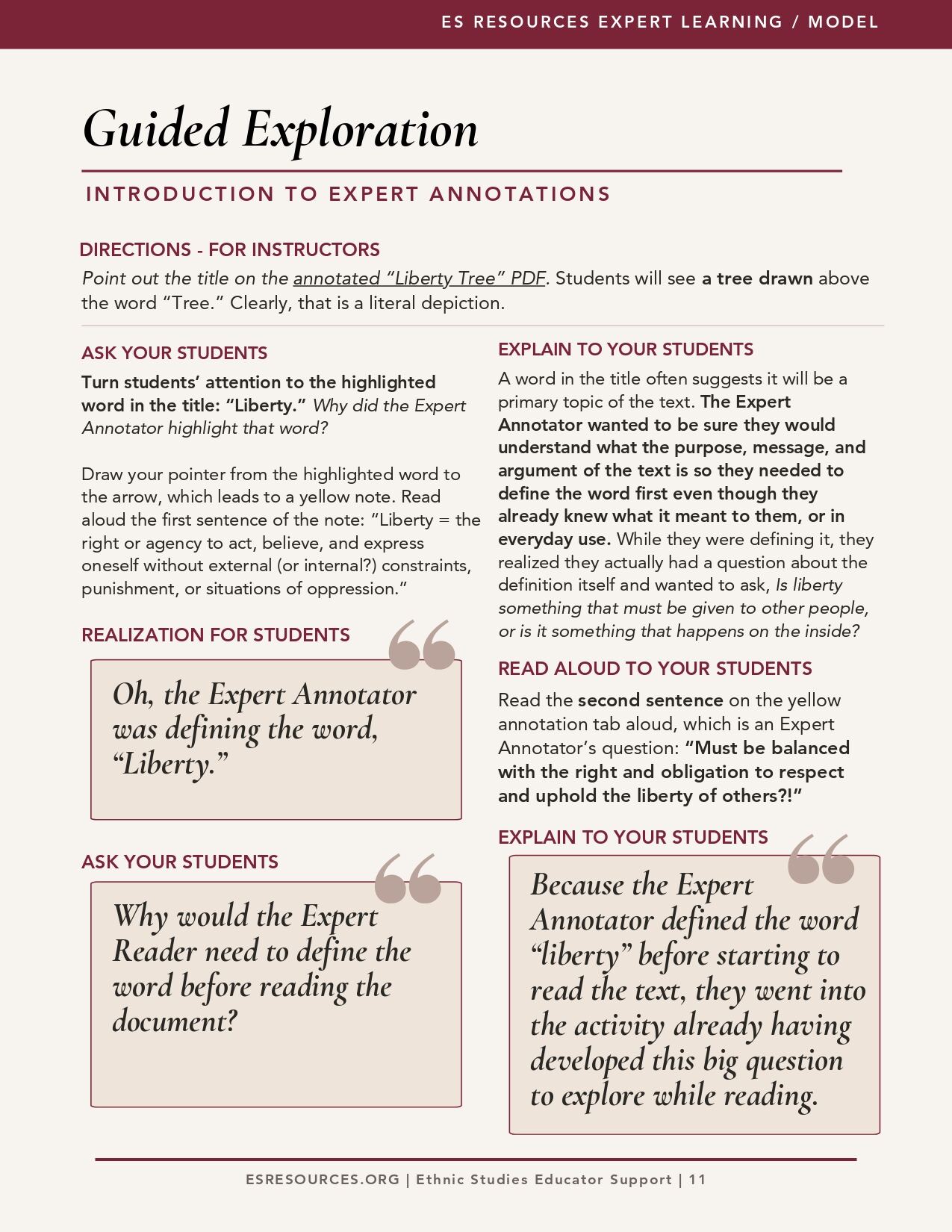
Annotate Primary Sources Like an Expert
-
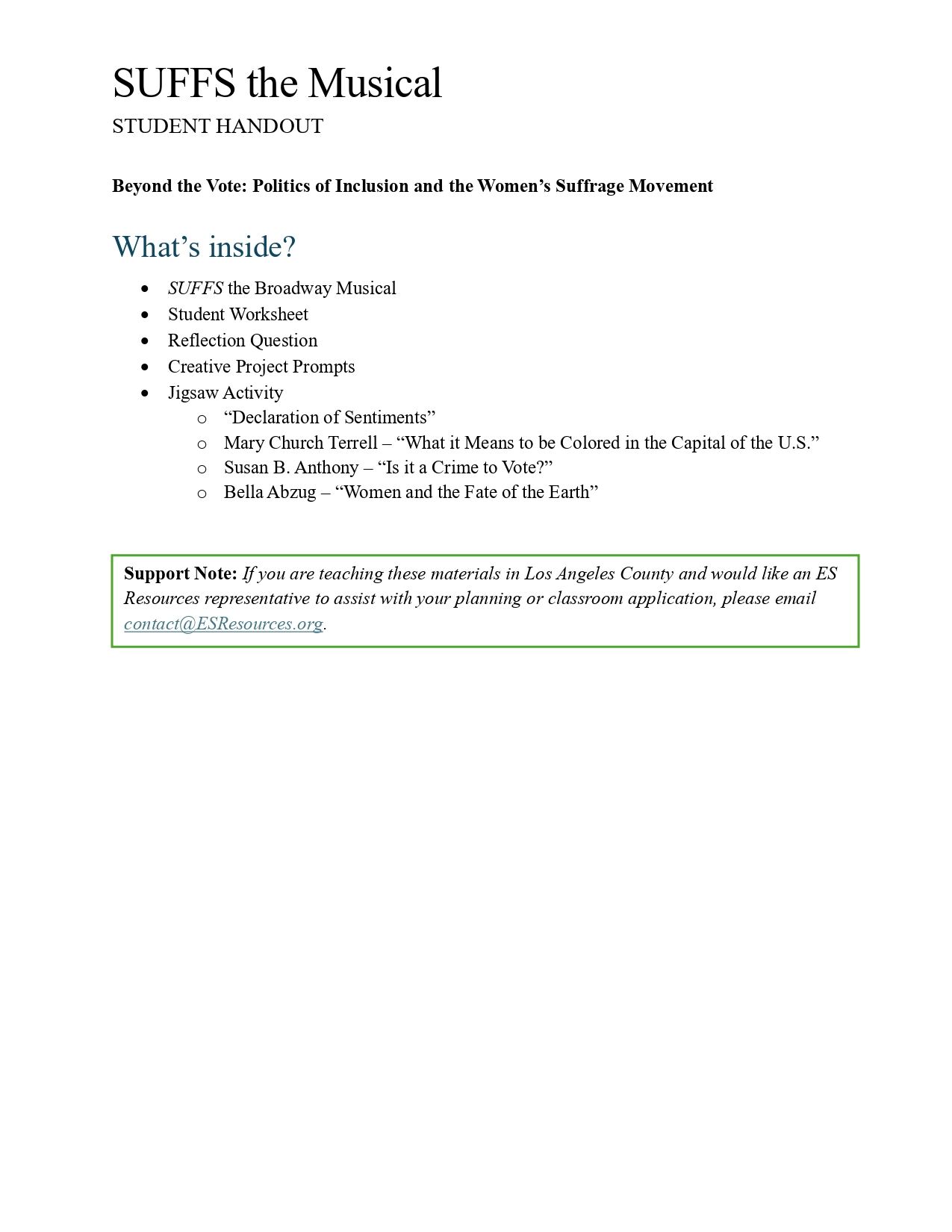
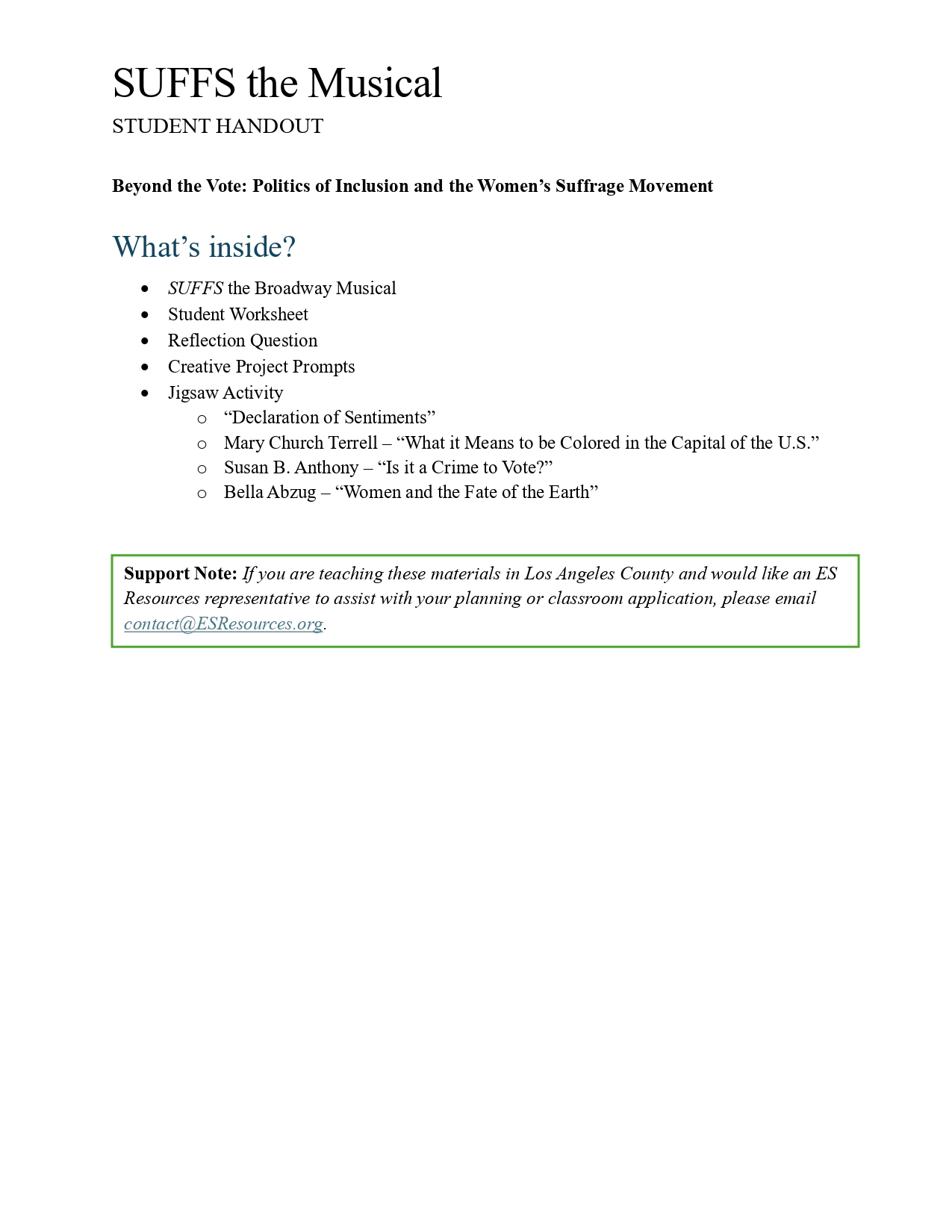
Women’s Suffrage: Politics of Inclusion & SUFFS the Musical
-
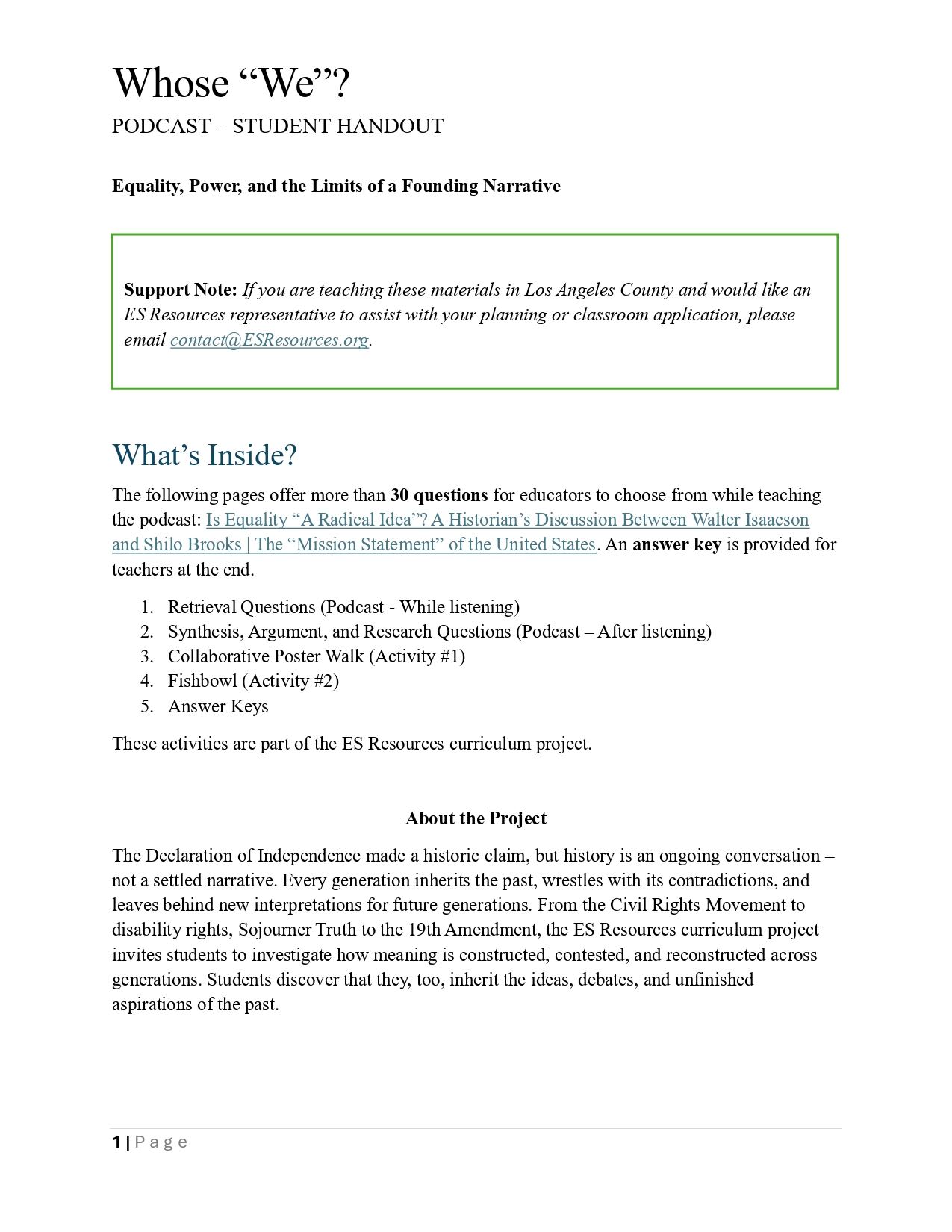
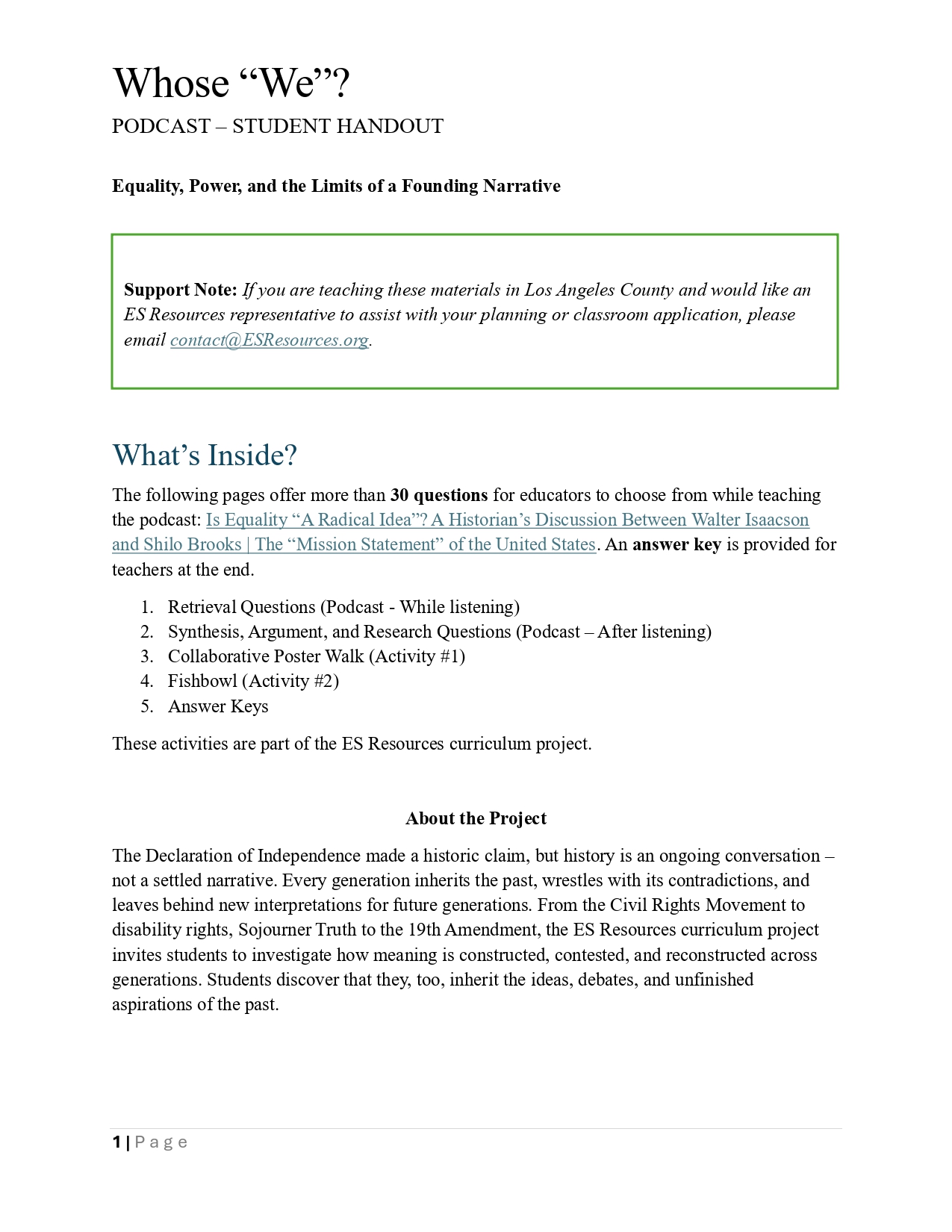
Whose “We”? The Limits of a Founding Narrative
-
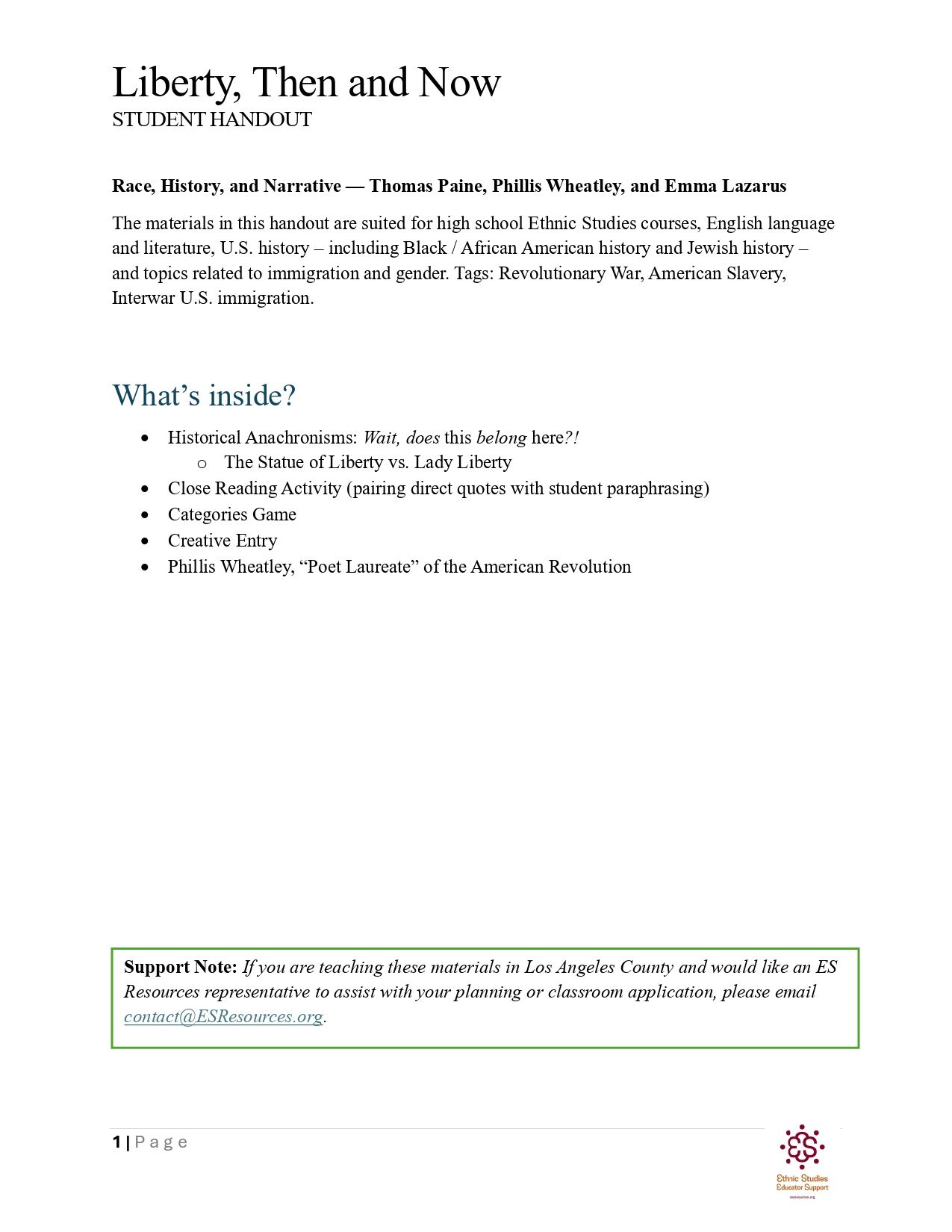
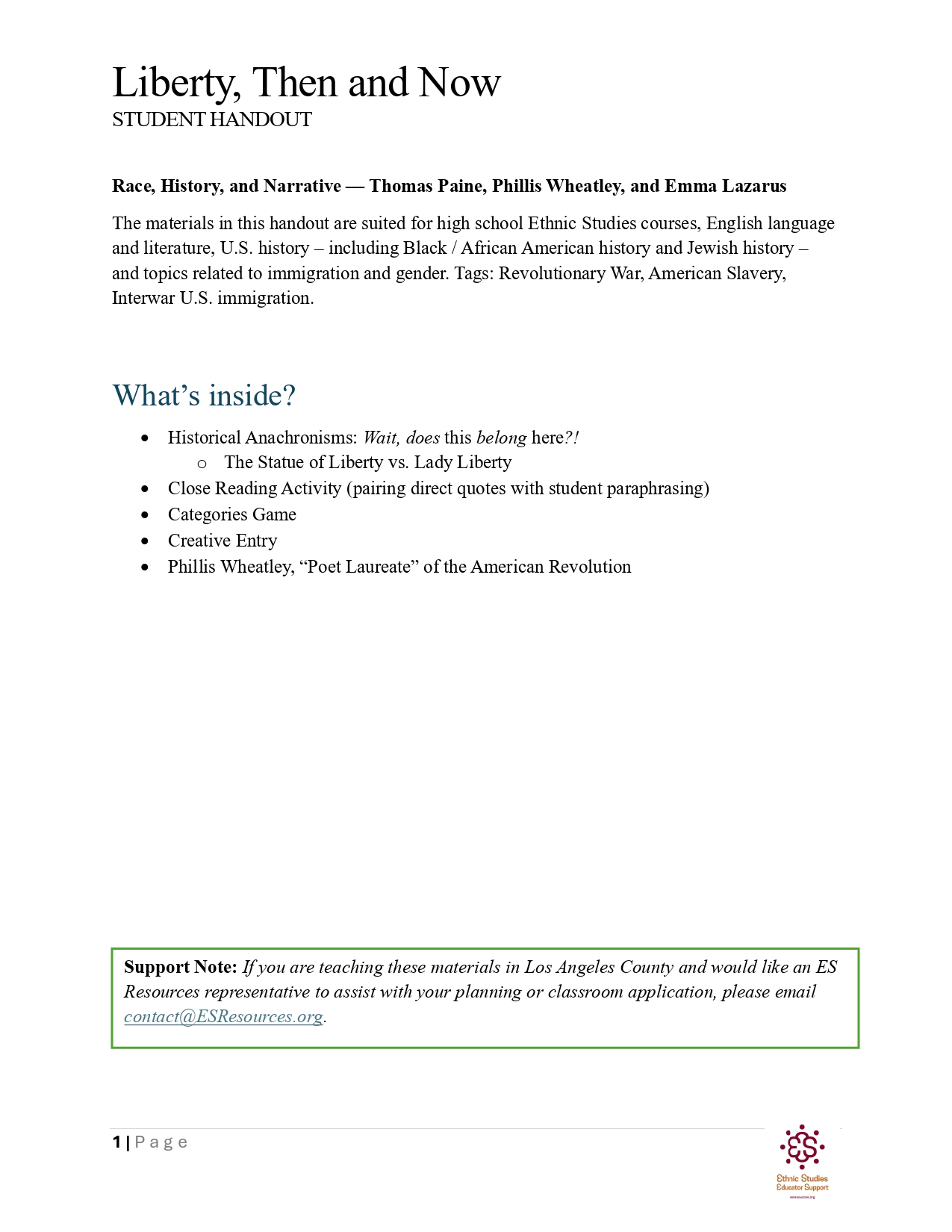
Liberty and Narrative, Then and Now
-
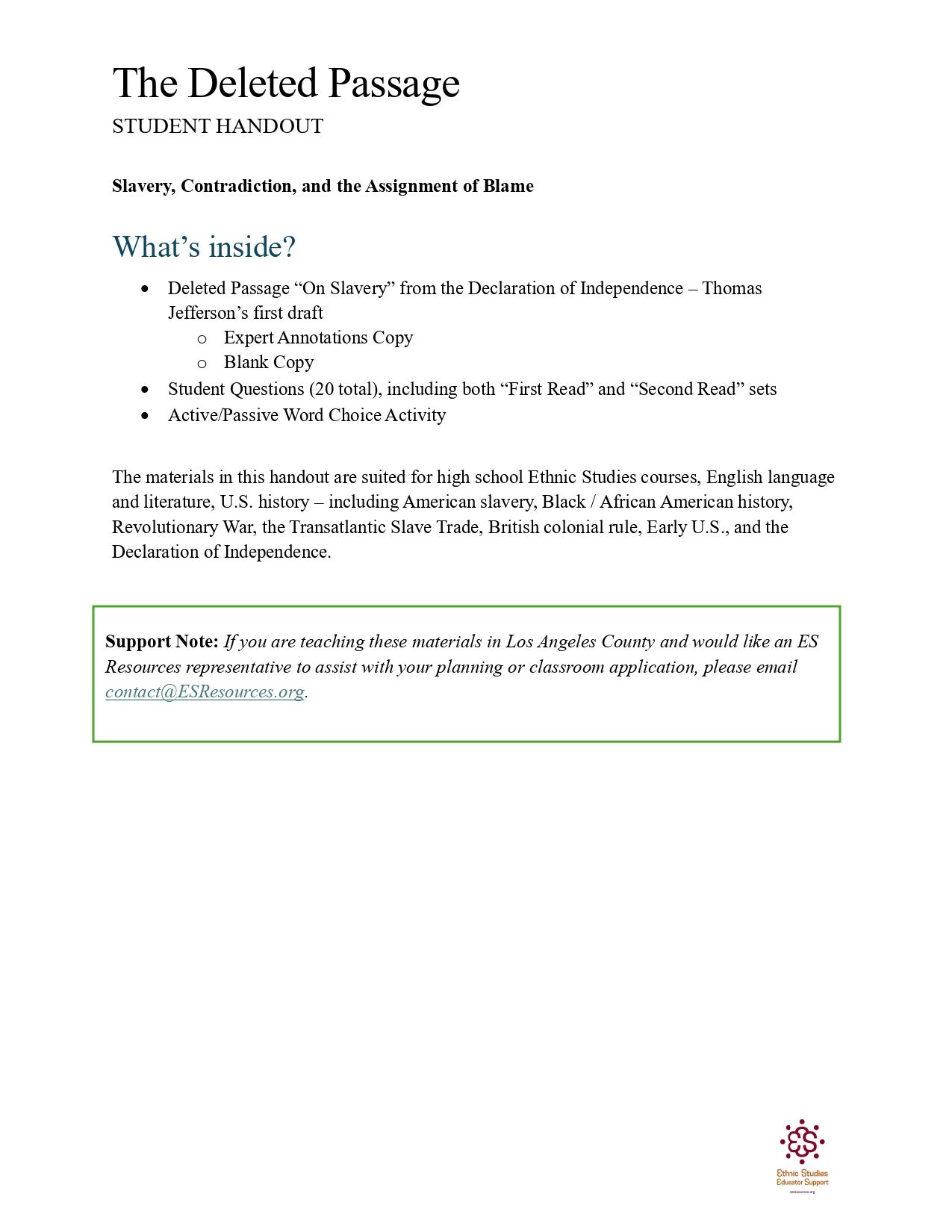
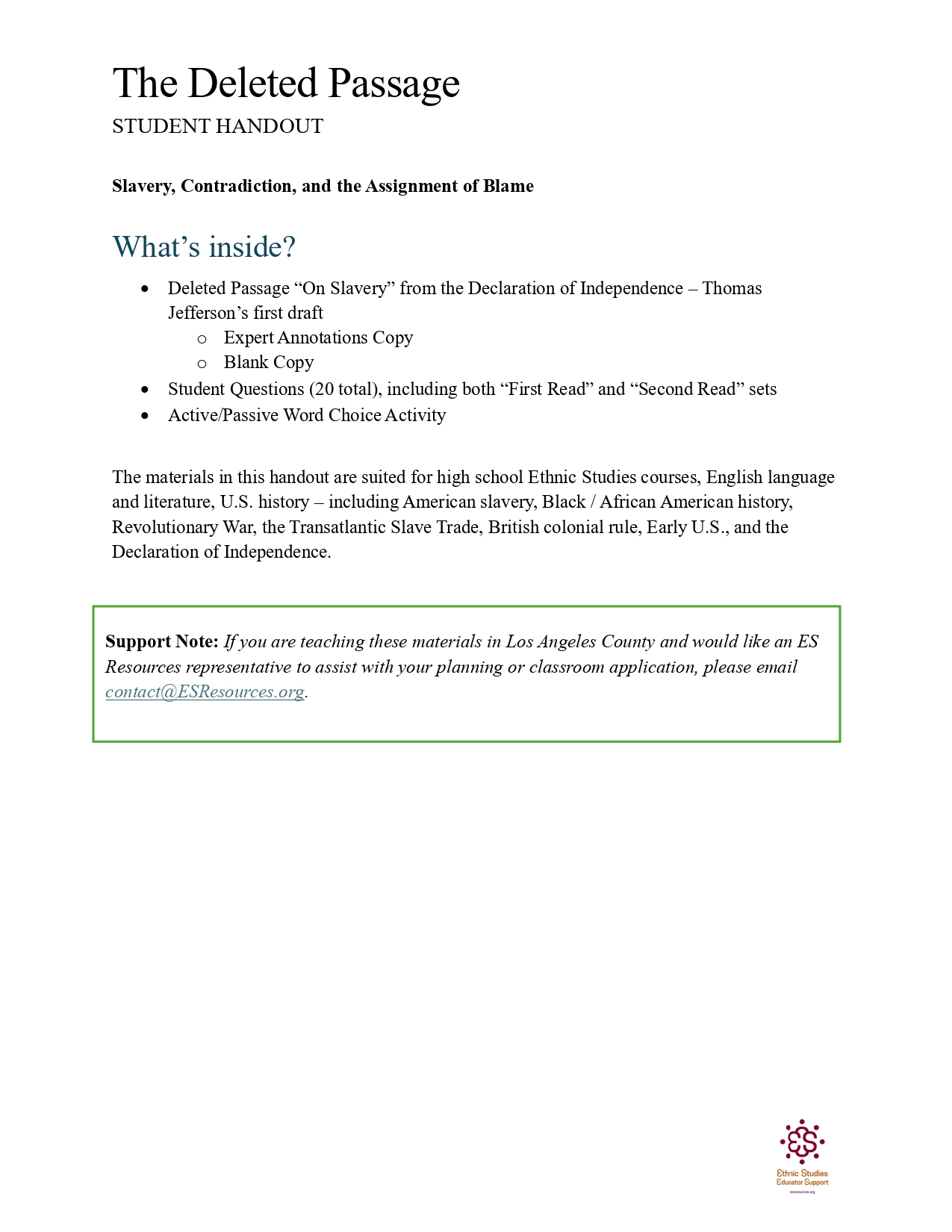
The “Deleted Passage” on Slavery
-
New 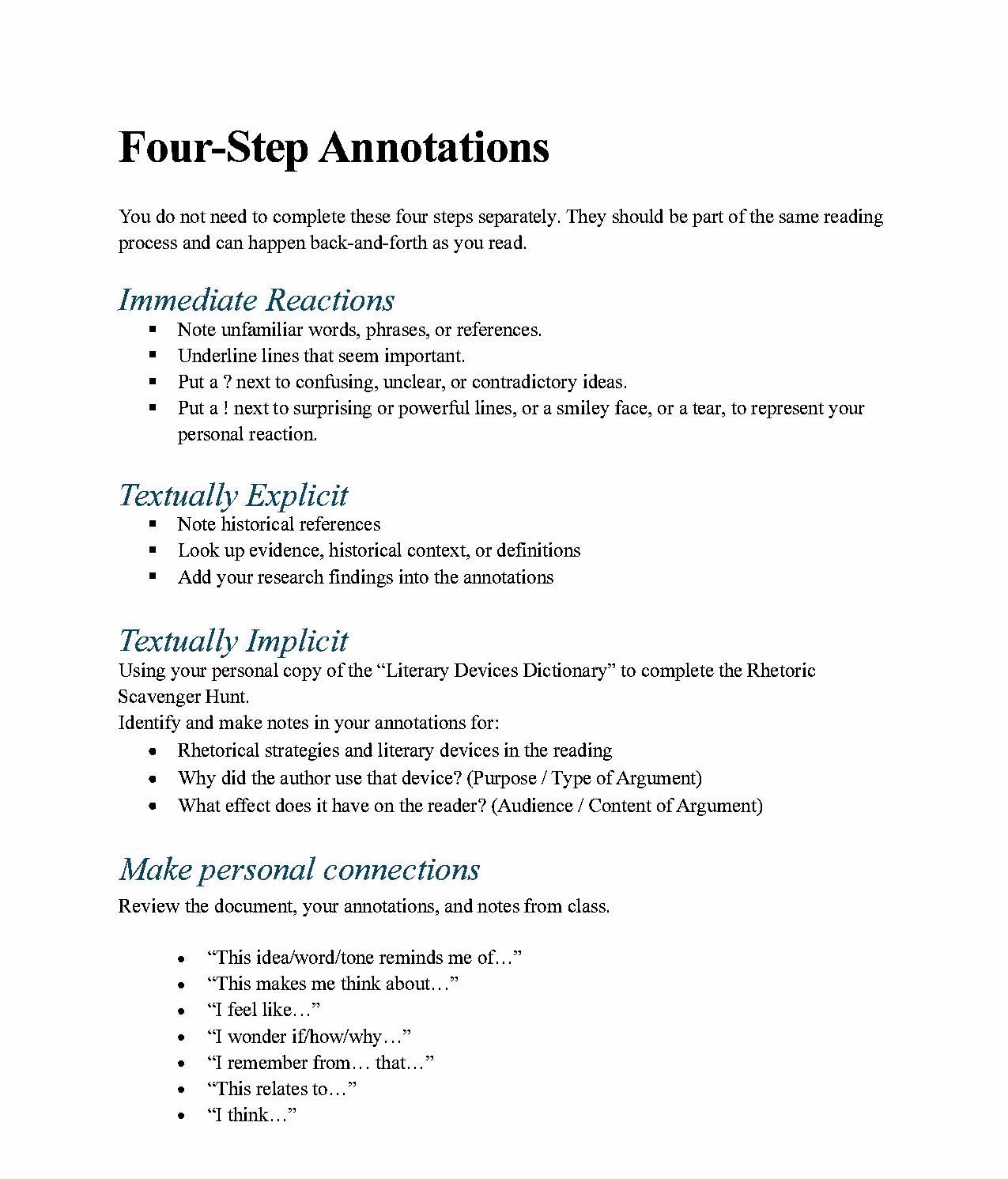
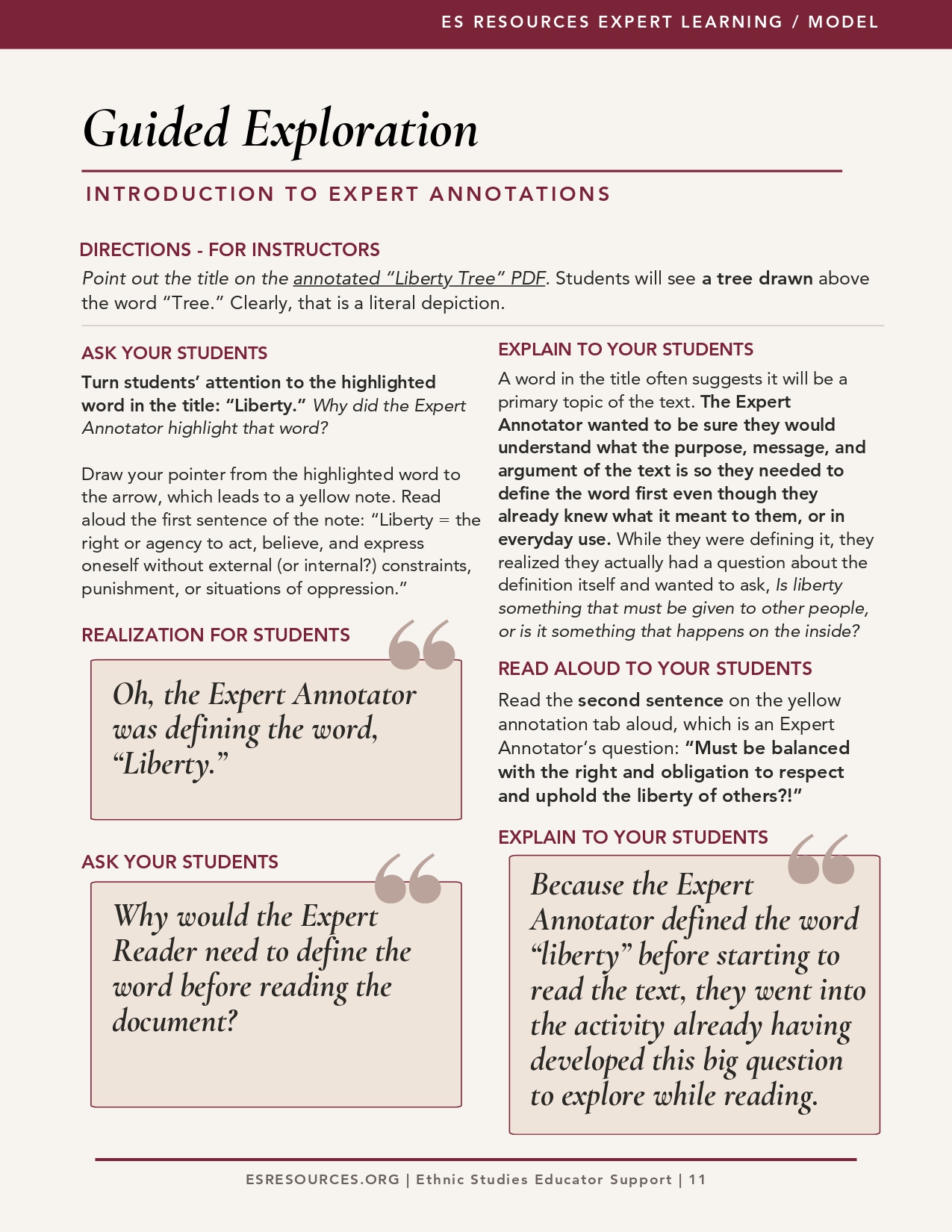
Annotating Step-By-Step Guide
-
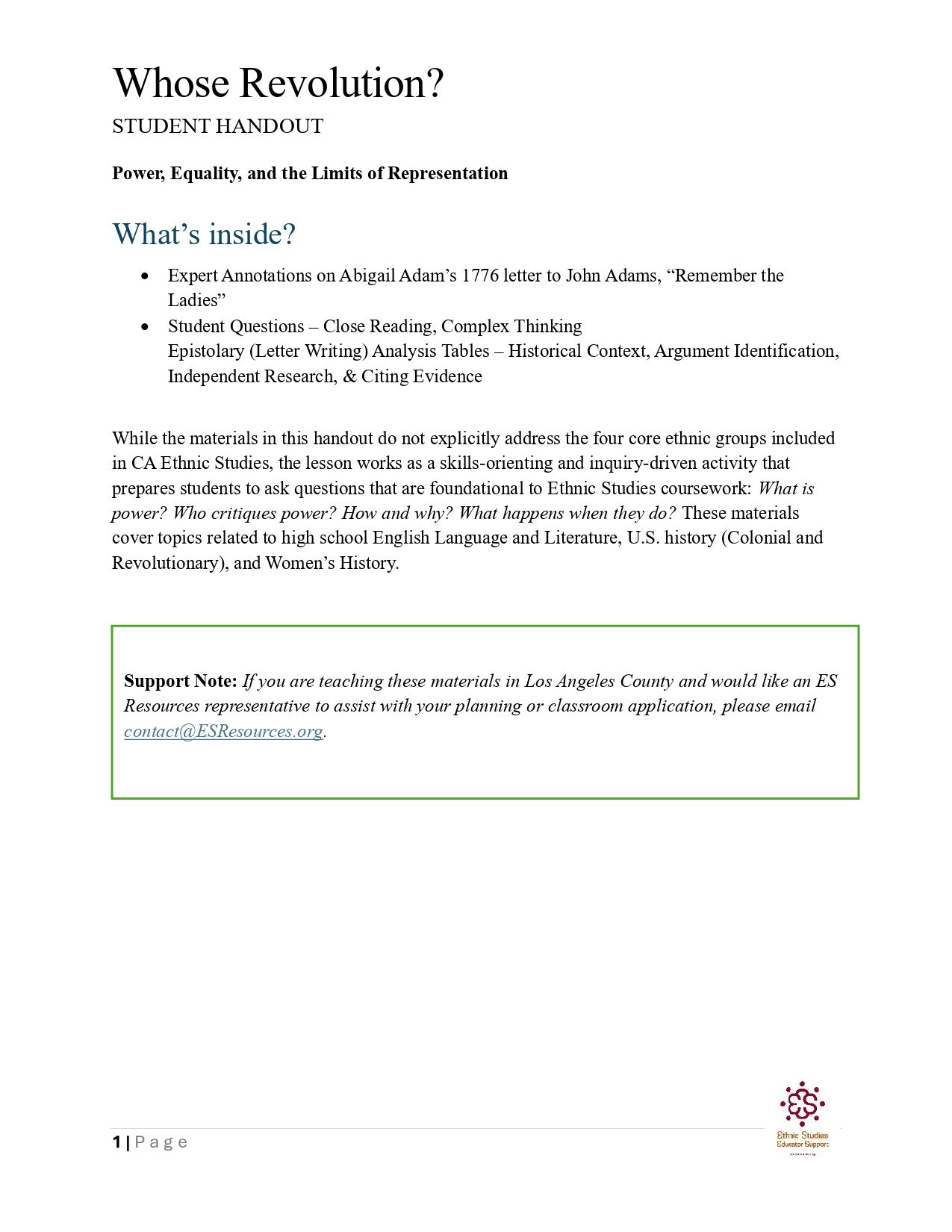
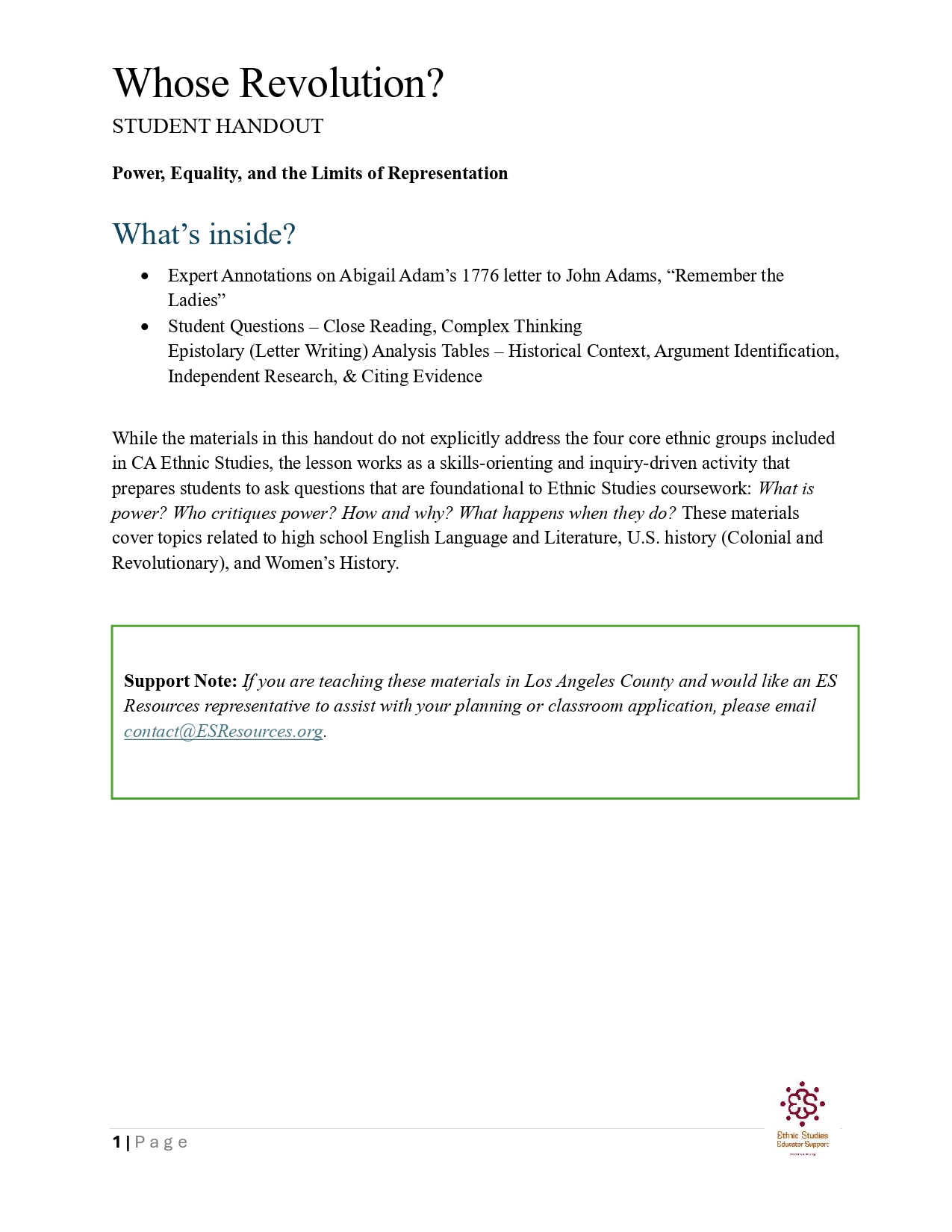
Whose Revolution? Abigail Adams’ “Remember the Ladies”
-
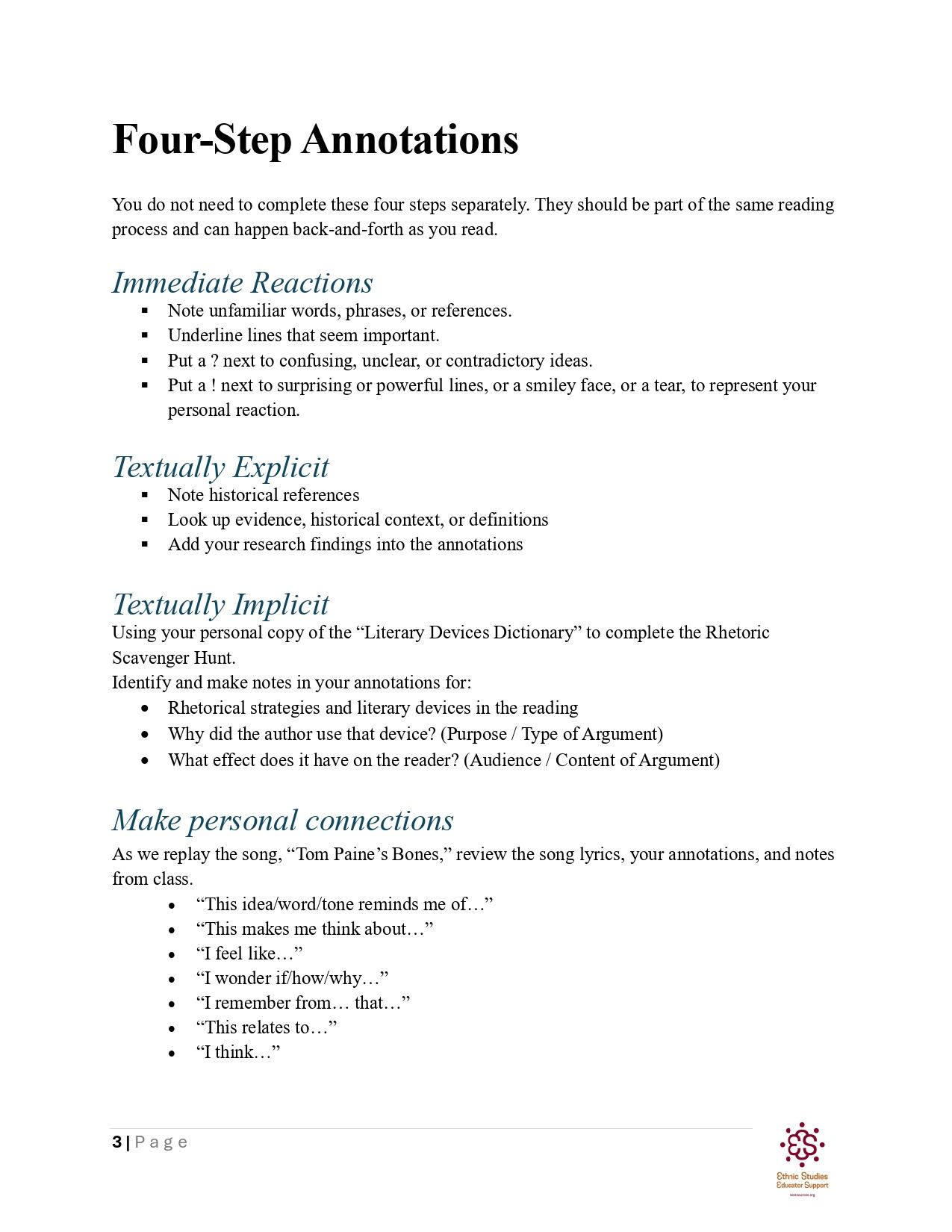
Reading Revolution Through Song
Members
Sign in to continue
Sign in to download this file. It's free to register, and we will bring you straight back to this page.
Or continue with email
No account? Register