
ESR
/
Primary Sources
/
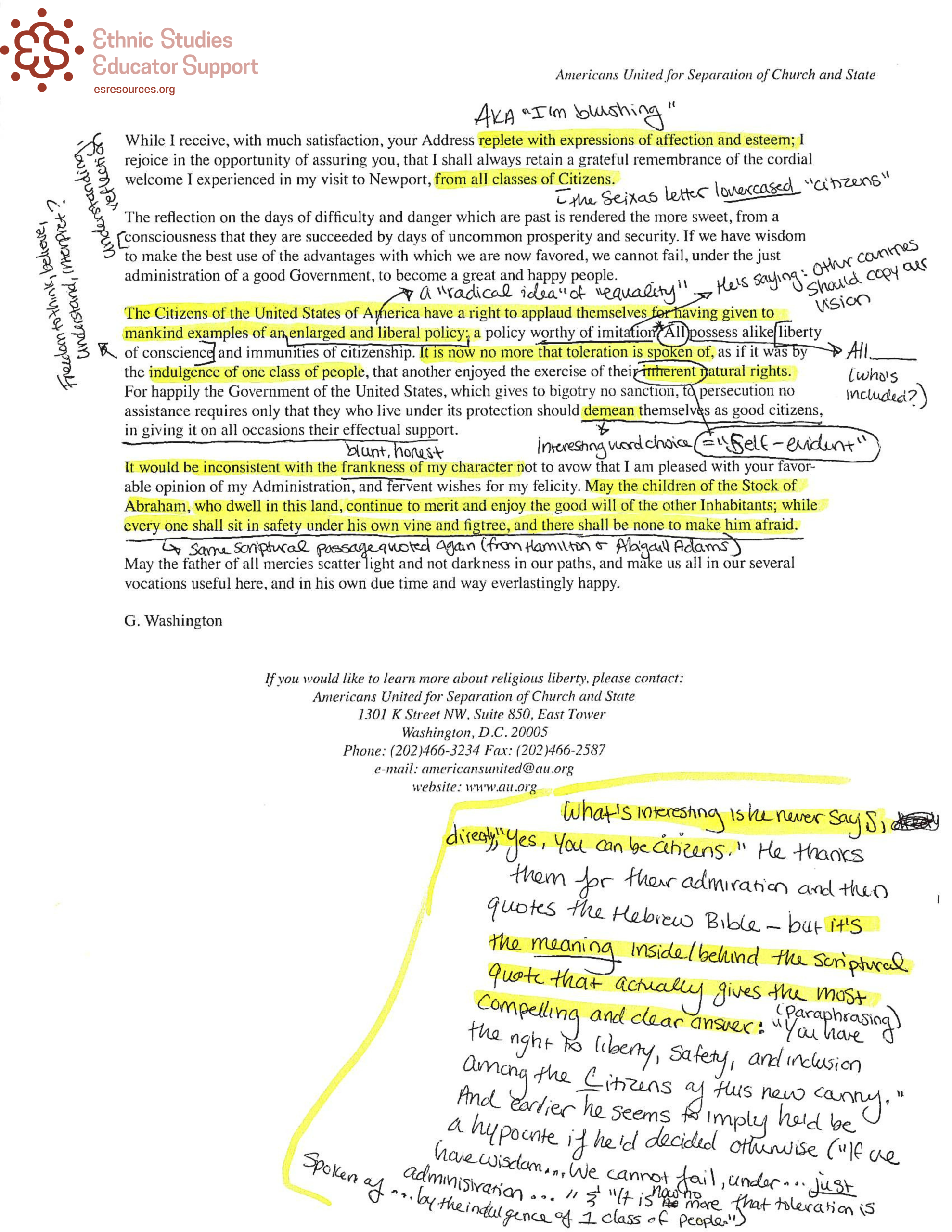
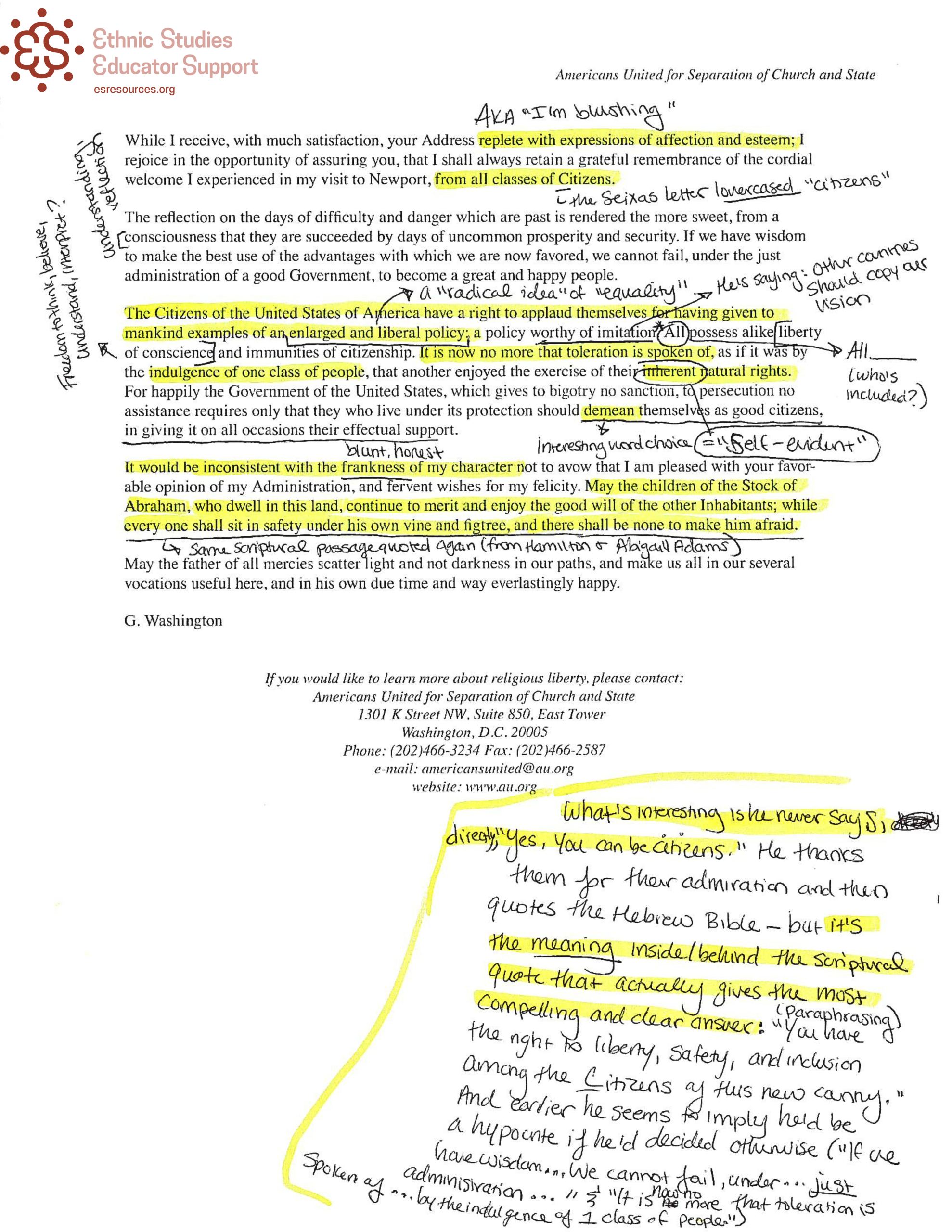
“Depart and Never Return”: Edict of Expulsion banishing Jews from Spain (1492) - Expert Annotations
“Depart and Never Return”: Edict of Expulsion banishing Jews from Spain (1492) - Expert Annotations.
https://esresources.org/storage/uploads/final-edict-of-expulsion-expert-annotations.pdf
PDF document
Open the documentAbout the resource
What's Inside?
This guided exploration provides educators with Expert Annotations and teacher-facing guidance for examining the 1492 Edict of Expulsion (Alhambra Decree) as a primary source. Each annotation highlights significant language from the Edict and pairs it with questions educators can use to guide student analysis, along with background information and suggestions for where to push the inquiry further.
The exploration includes questions focused on comprehension, historical inquiry, sourcing, power, identity, belonging, persecution, collective guilt, forced migration, and community relationships, as well as extended engagement opportunities that connect the Edict to broader historical concepts and patterns.
Learning Outcomes
Students will analyze the 1492 Edict of Expulsion as a primary source, examining how legal language can construct a population as a problem, regulate relationships between communities, and transform prejudice into systems of exclusion. Students will consider questions of belonging, power, collective attribution of guilt, forced migration, and the choices available to people living under persecution.
Essential Ethnic Studies Questions
How do governments and institutions use power to define, include, exclude, or control communities?
What happens when a person’s identity or community becomes grounds for suspicion or punishment?
How do laws and systems of power shape relationships between individuals, families, and communities?
How do people navigate belonging, identity, and agency under conditions of exclusion?
Essential Historical Questions
How did the 1492 Edict of Expulsion justify the expulsion of Jews from Spain?
What assumptions and claims does the Edict make about Jews, Christians, and their relationships?
How does the Edict shift responsibility from particular individuals to an entire population?
What choices and constraints did Jews and their neighbors face in response to the decree?
What can this primary source reveal about the relationship between law, state power, persecution, and forced migration?
Additional Primary Sources 18
-
-
American Jewish Archives
-
New 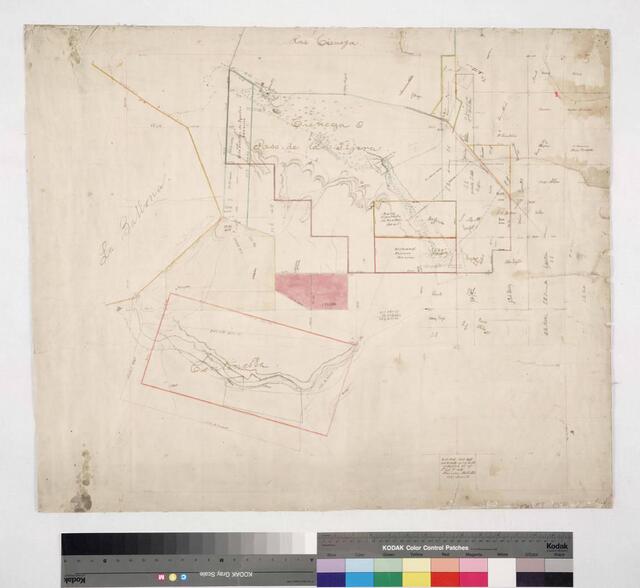
Diseño of Rancho la Cienega o Paso de la Tijera
-
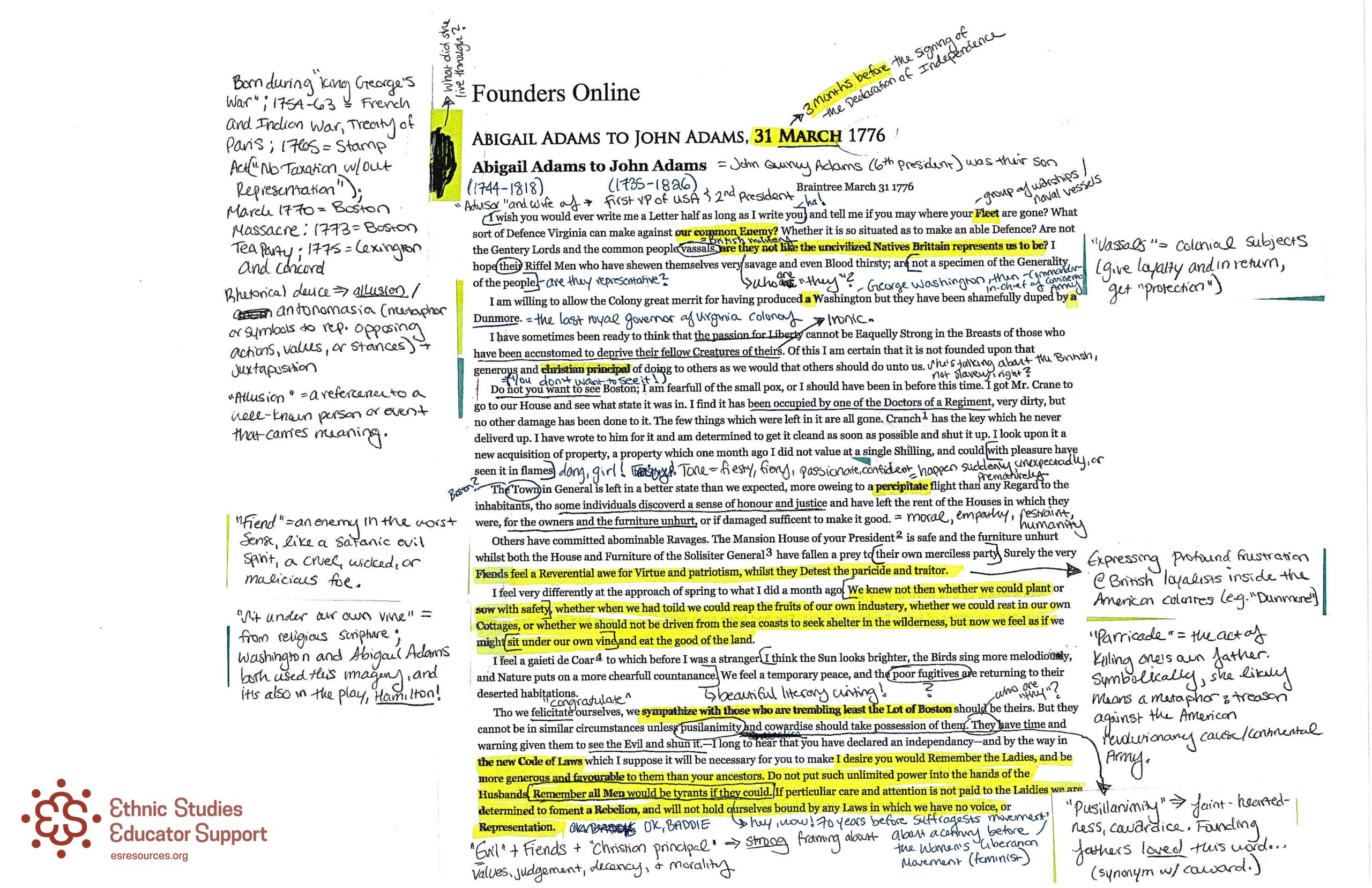
“Remember the Ladies” (1776) Letter, Abigail Adams - Expert Annotations
-
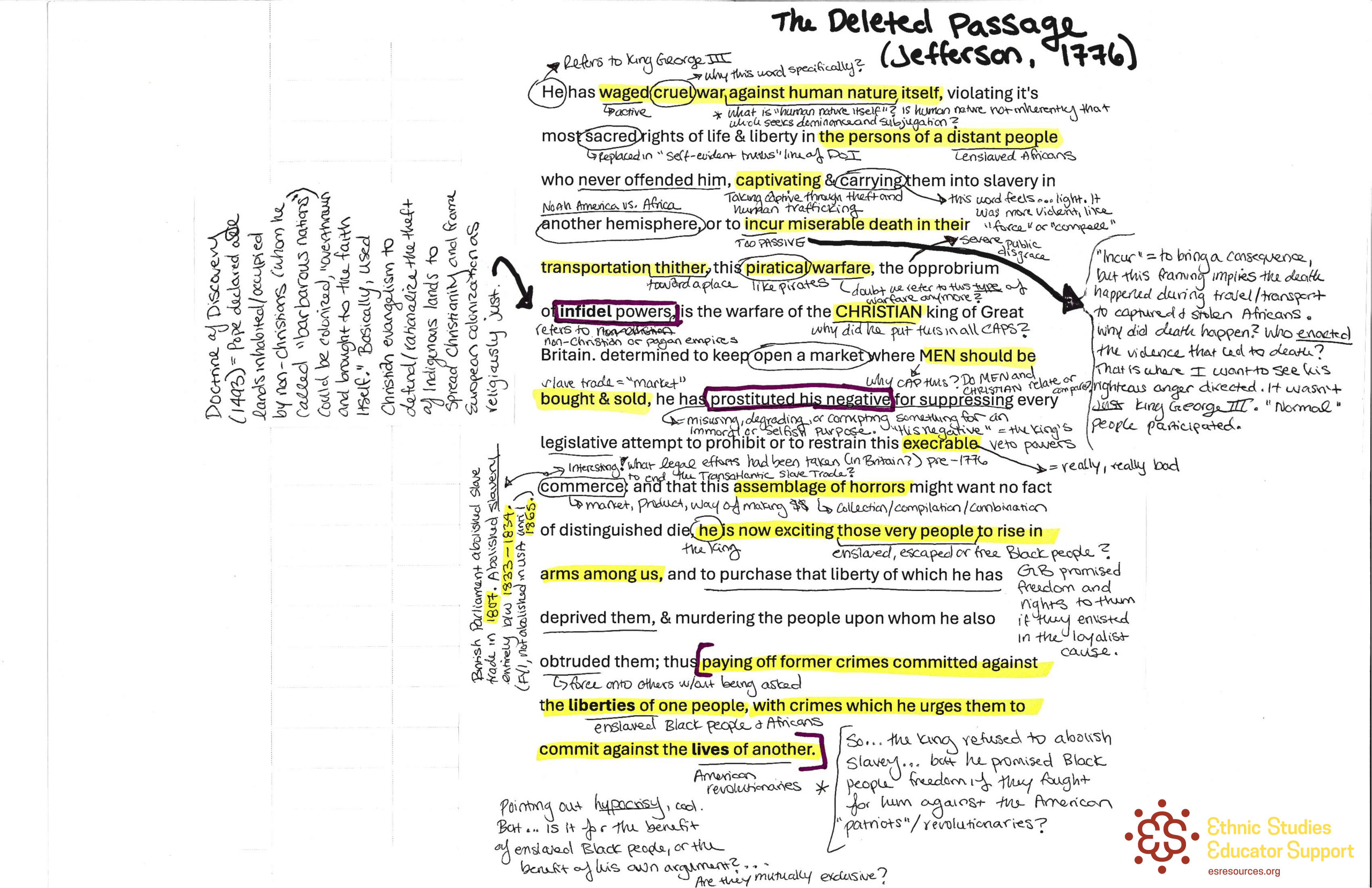
Deleted Passage - Declaration of Independence on the Transatlantic Slave Trade - Expert Annotations
-
Joachim Prinz March on Washington Speech
-
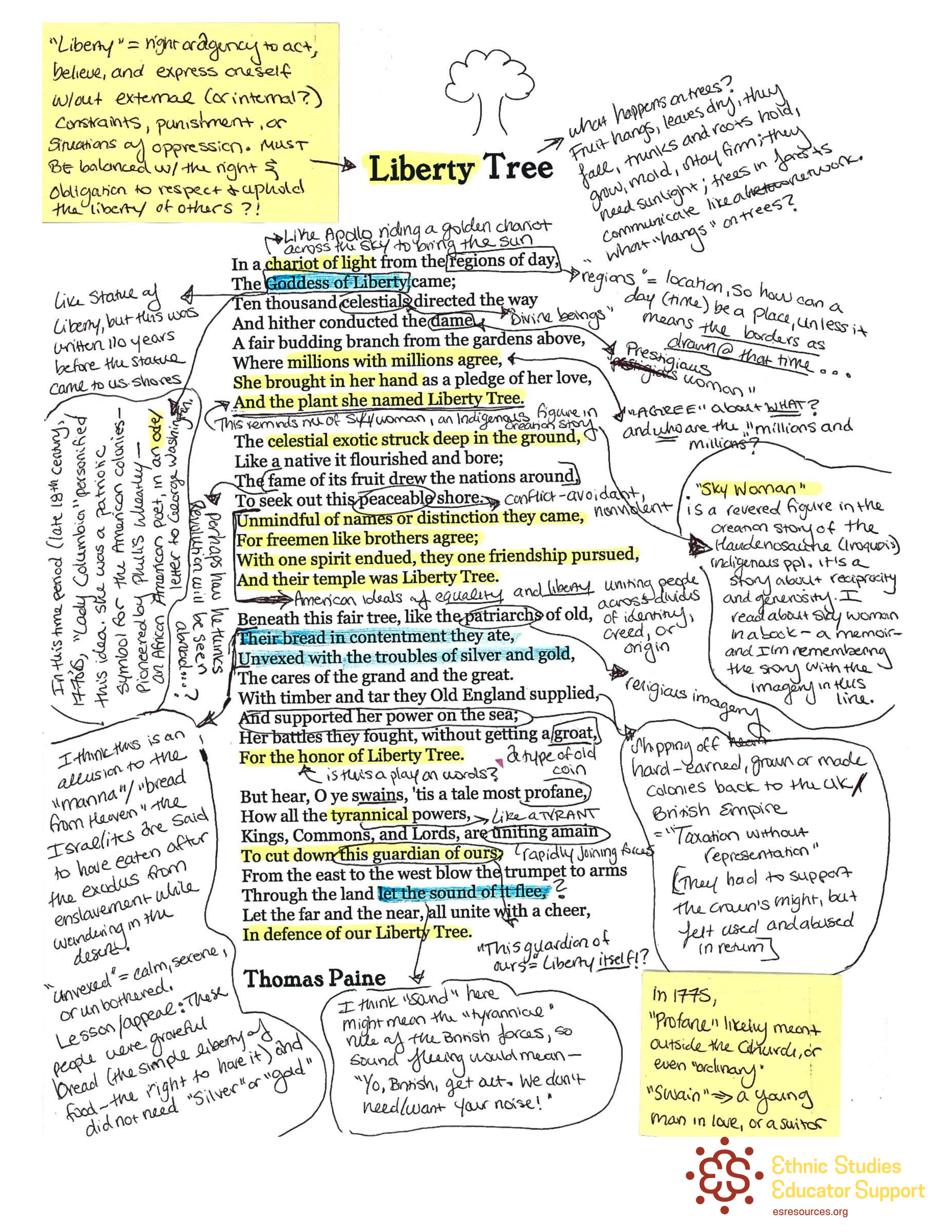
“Liberty Tree” Ballad (1775) by Thomas Paine | Expert Annotations
-
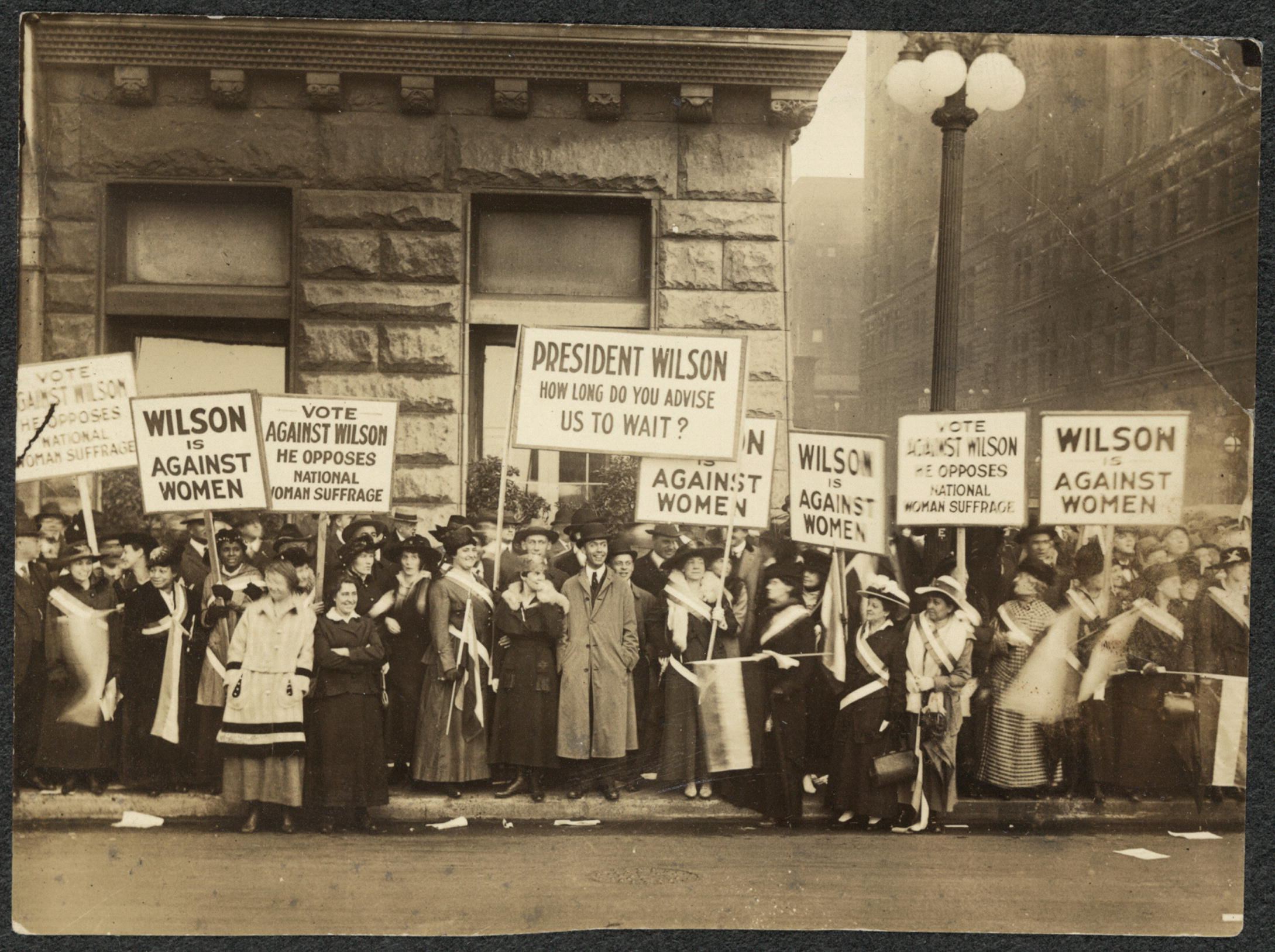
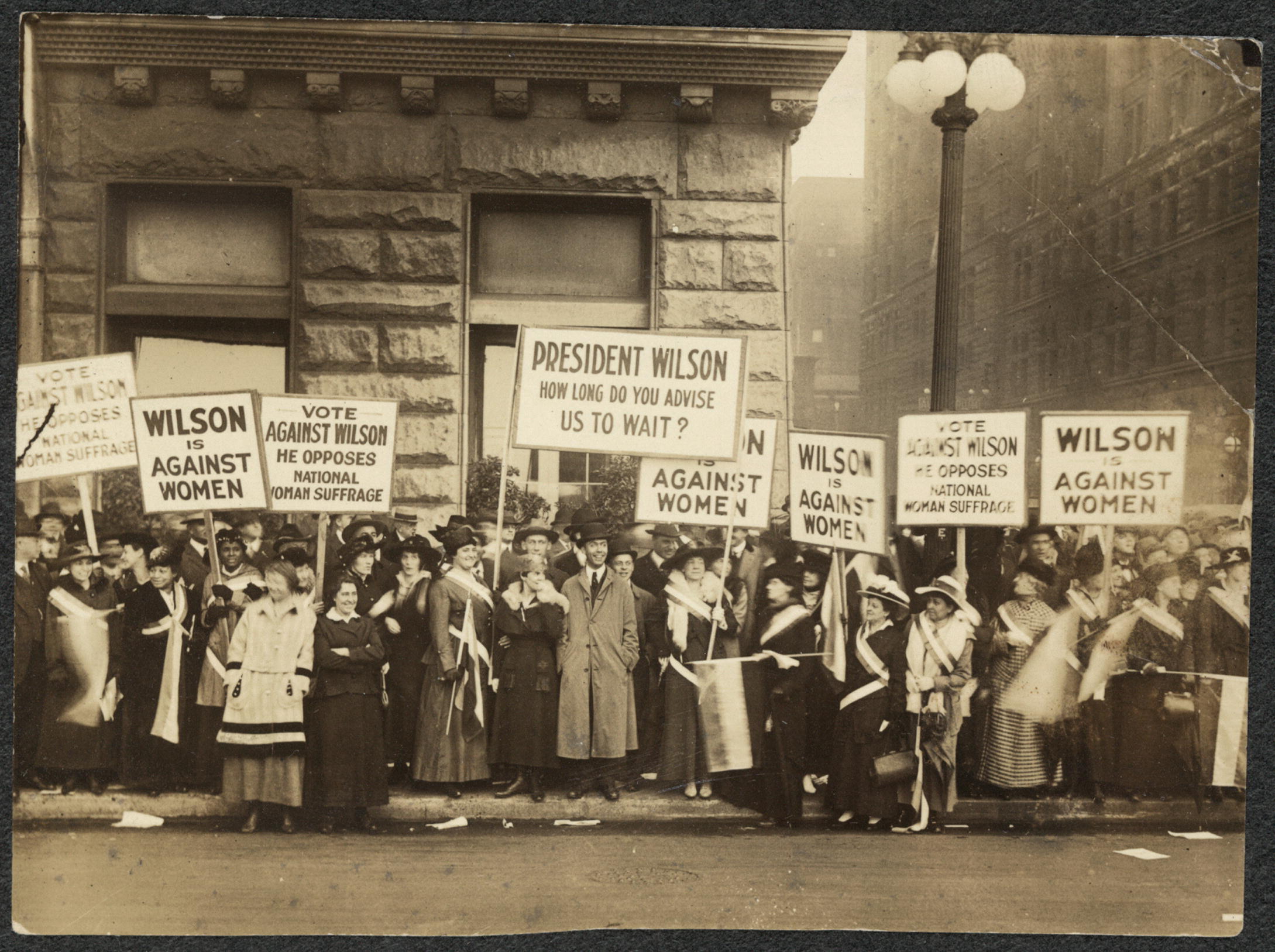
The Annotated & Interactive 19th Amendment | “Women’s Right to Vote” at Congress.gov
-
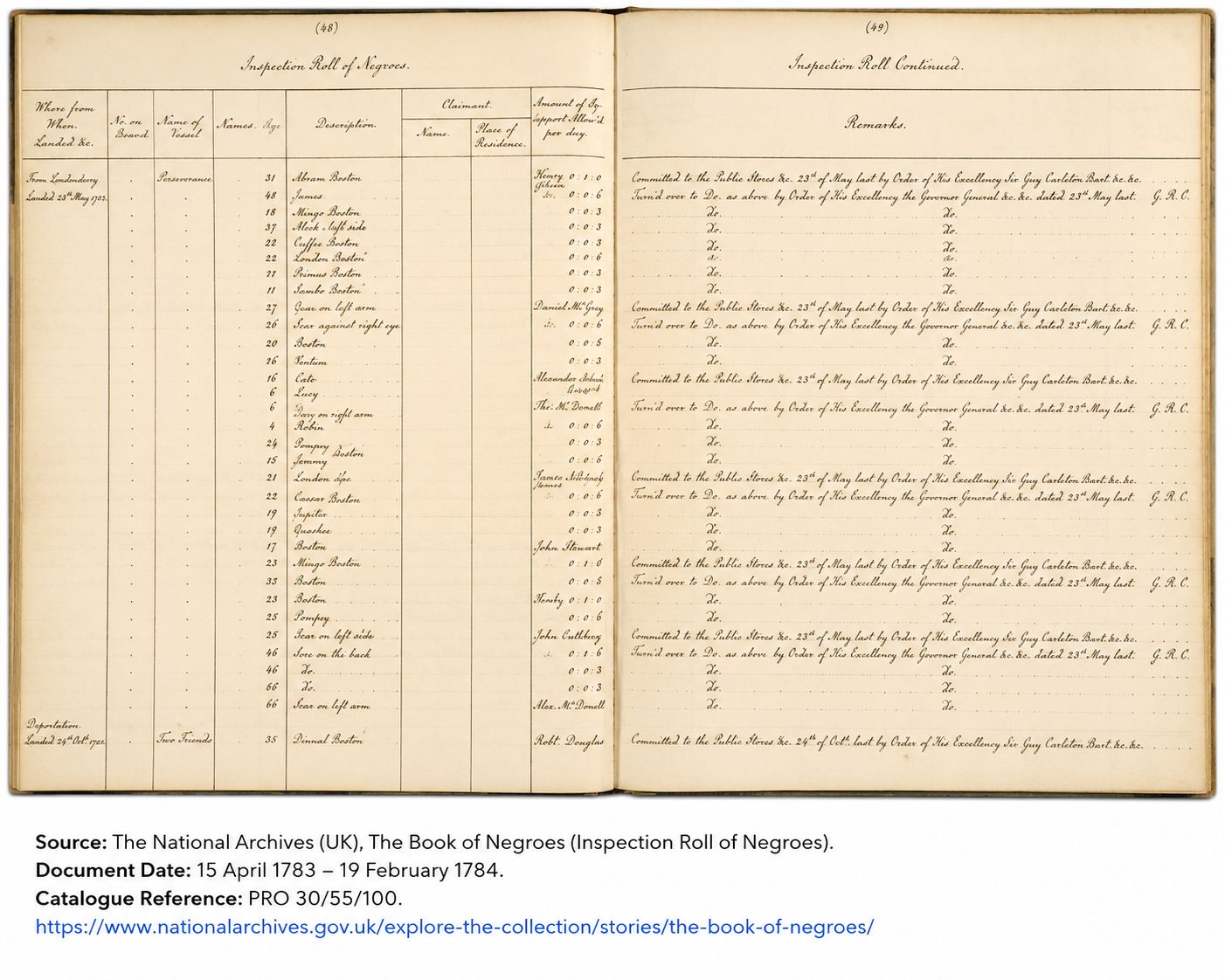
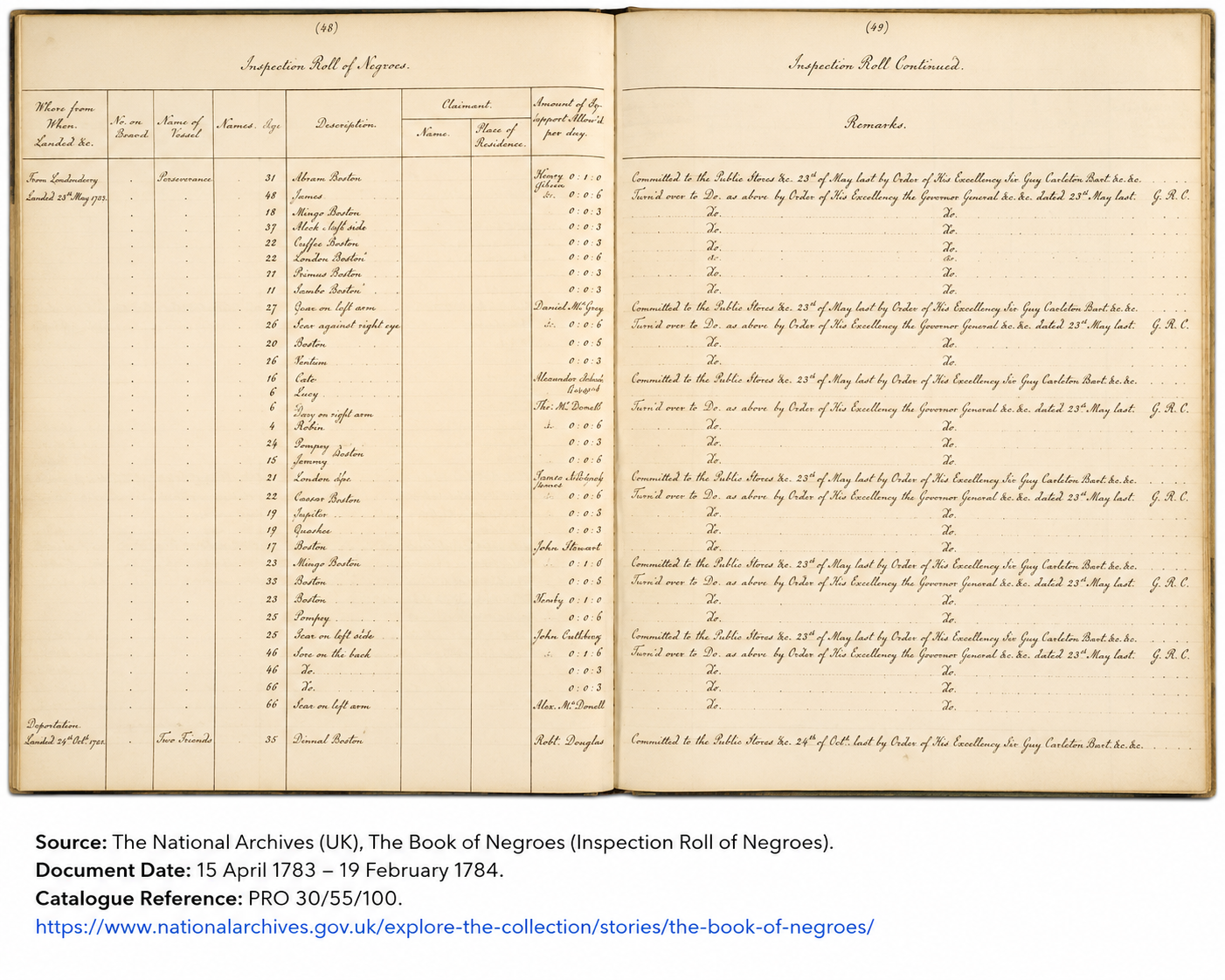
“The Book of Negroes” (1783-84): British Military Ledger
-
New 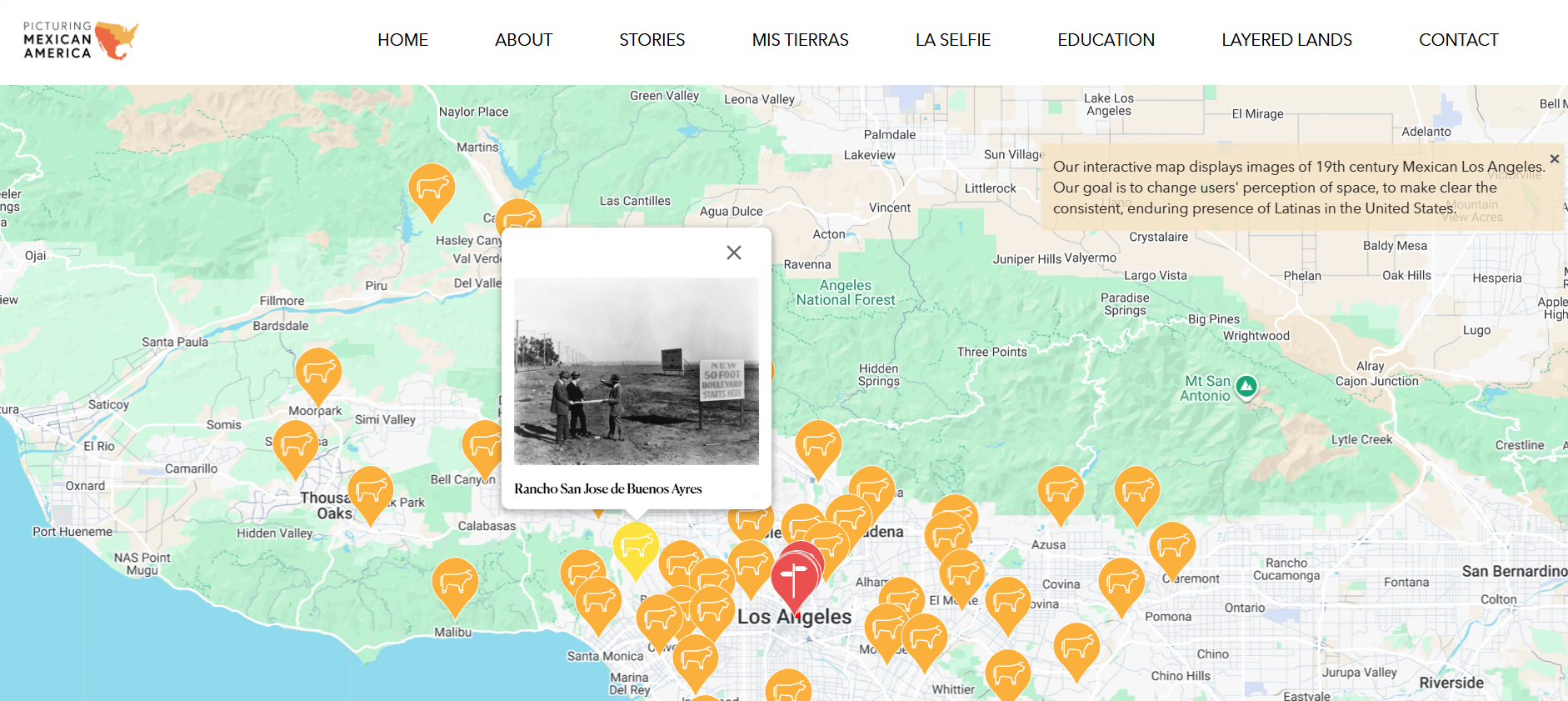
Picturing Mexican America
-
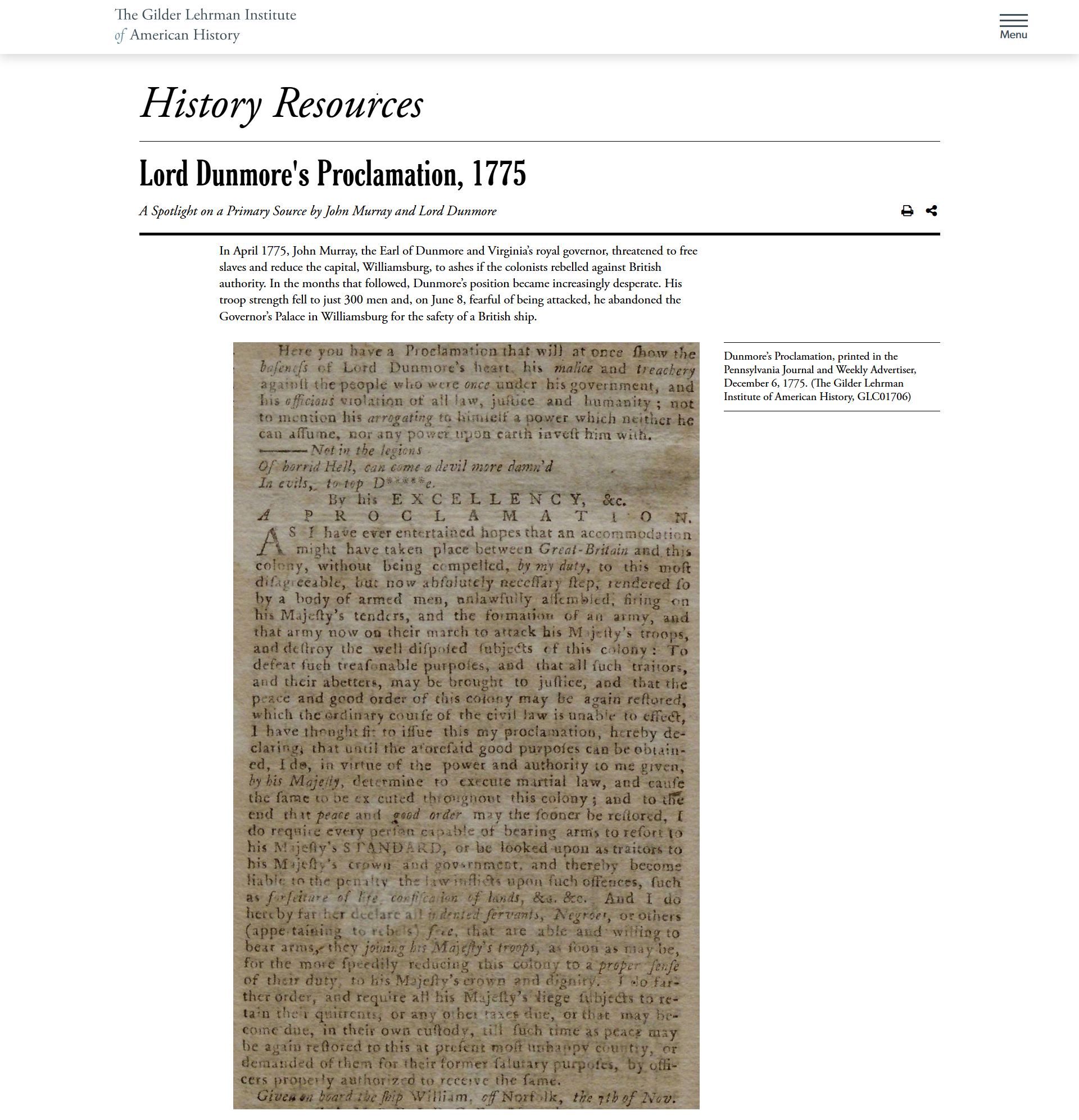
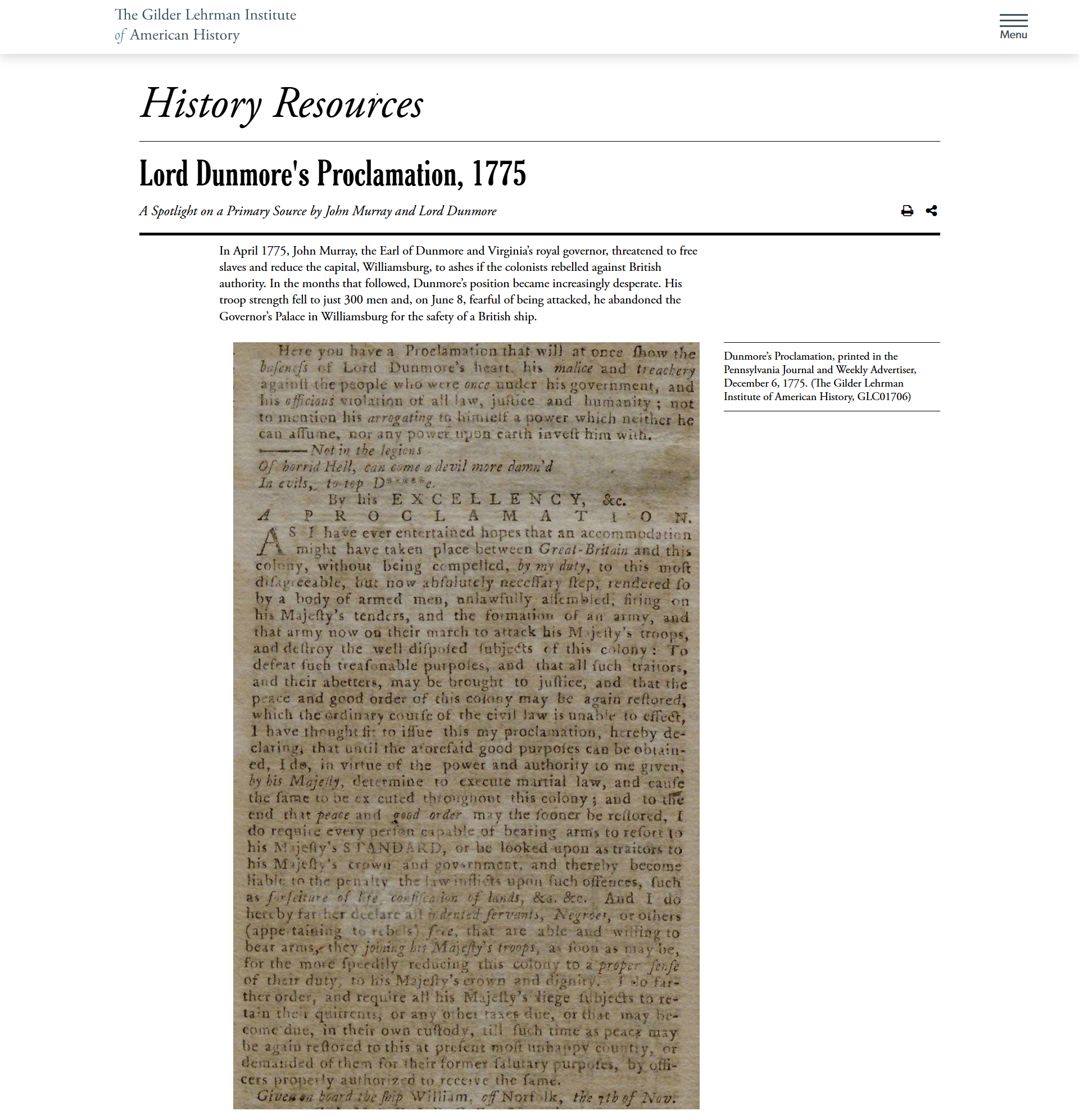
Lord Dunmore’s Proclamation (1775): Black Loyalists in the American Revolution
-
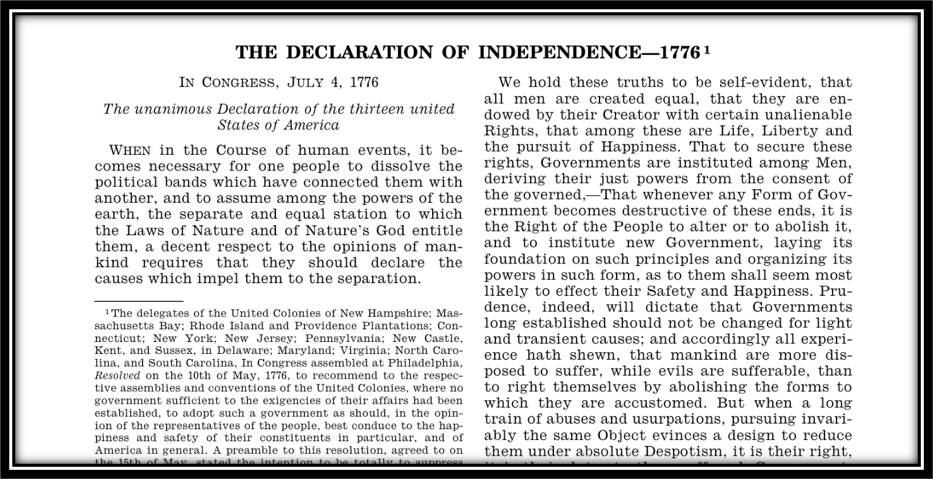
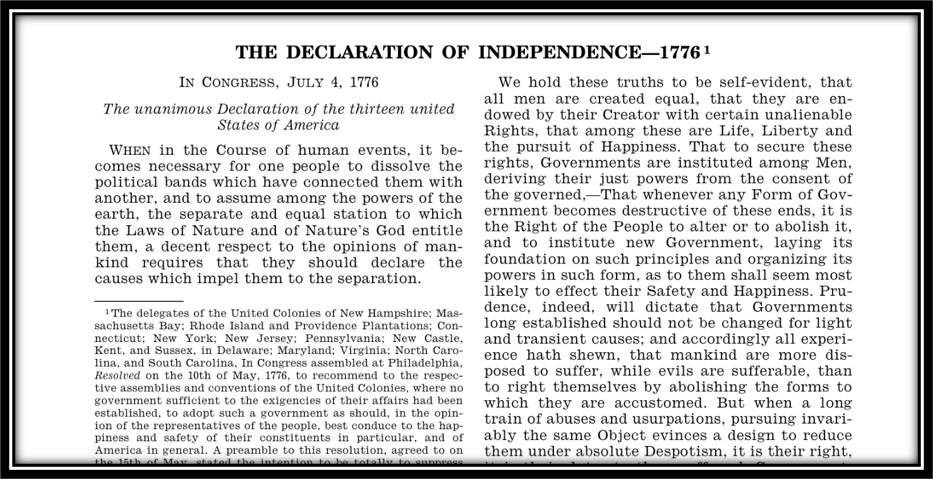
The Declaration of Independence: “We hold these truths to be self-evident, that all men are created equal…”
-
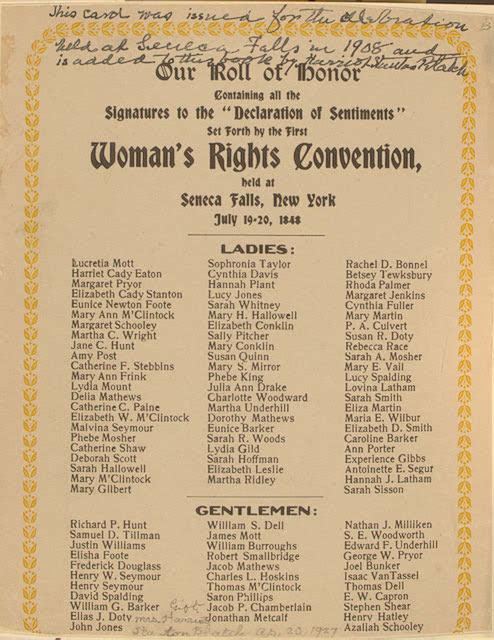
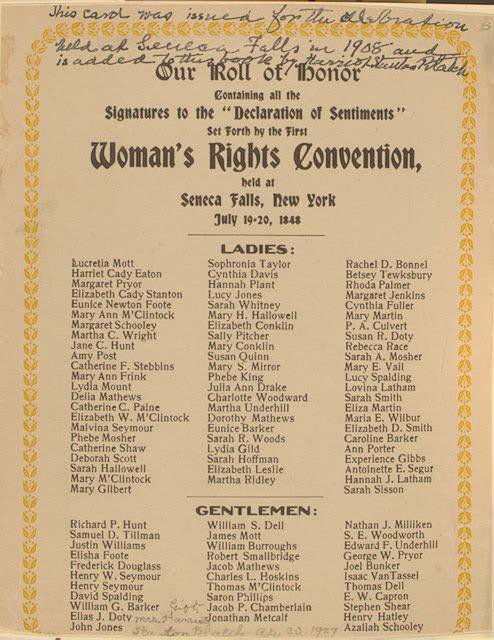
Declaration of Sentiments | The Seneca Fall Declaration (1848) – Women’s Right to Vote
-
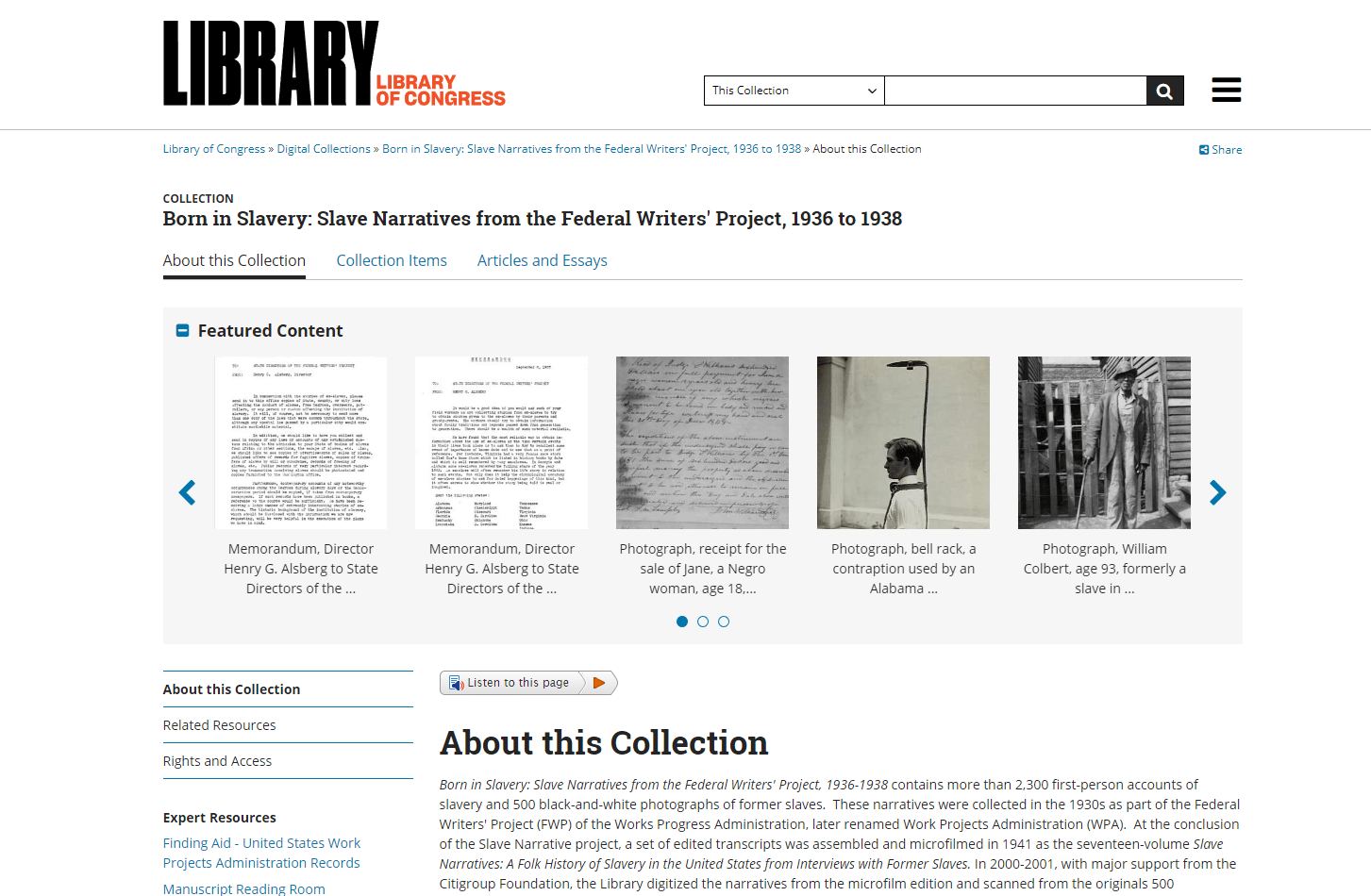
Born in Slavery-Slave Narratives from the Federal Writers’ Project, 1936-1938
-
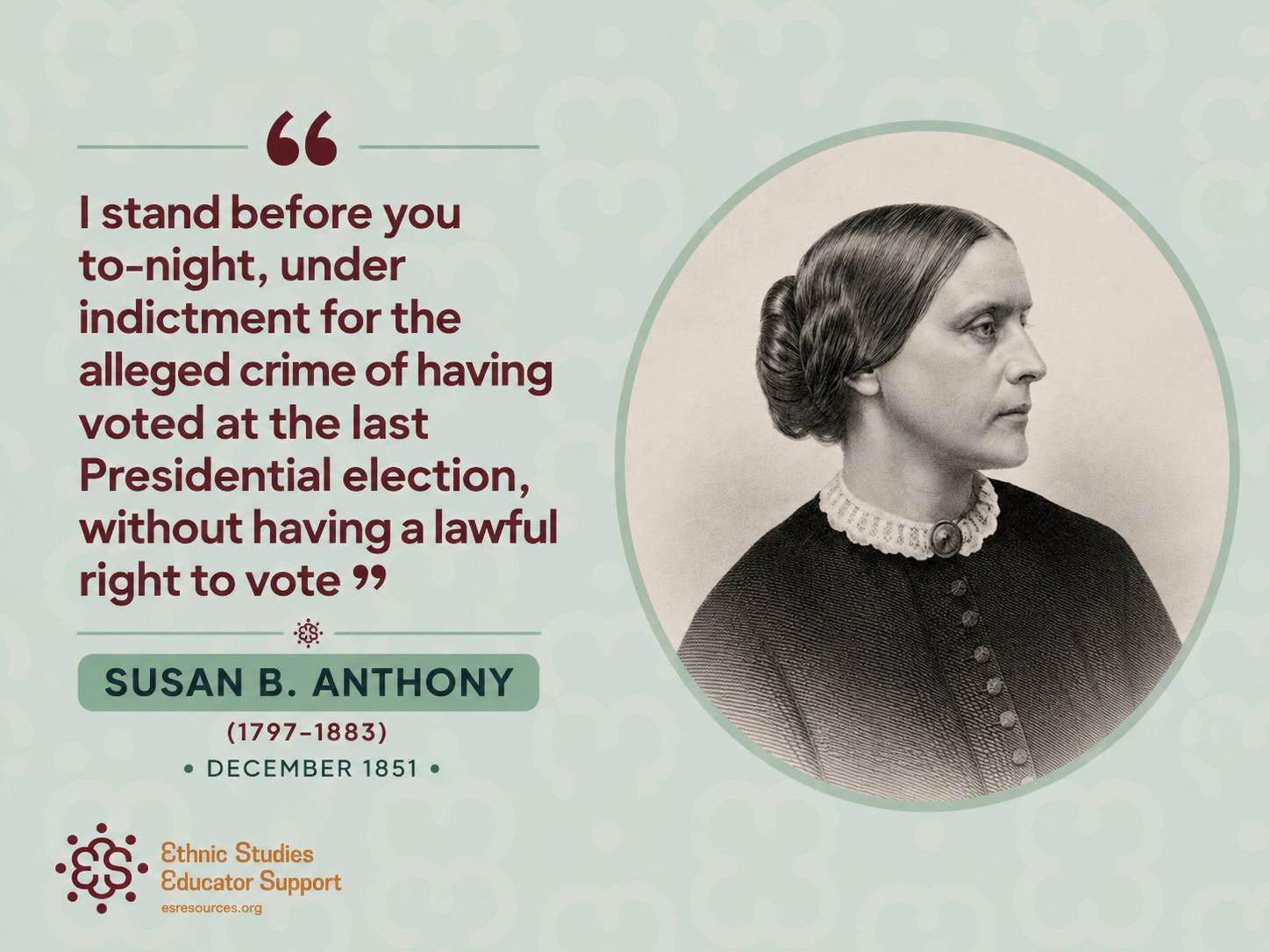
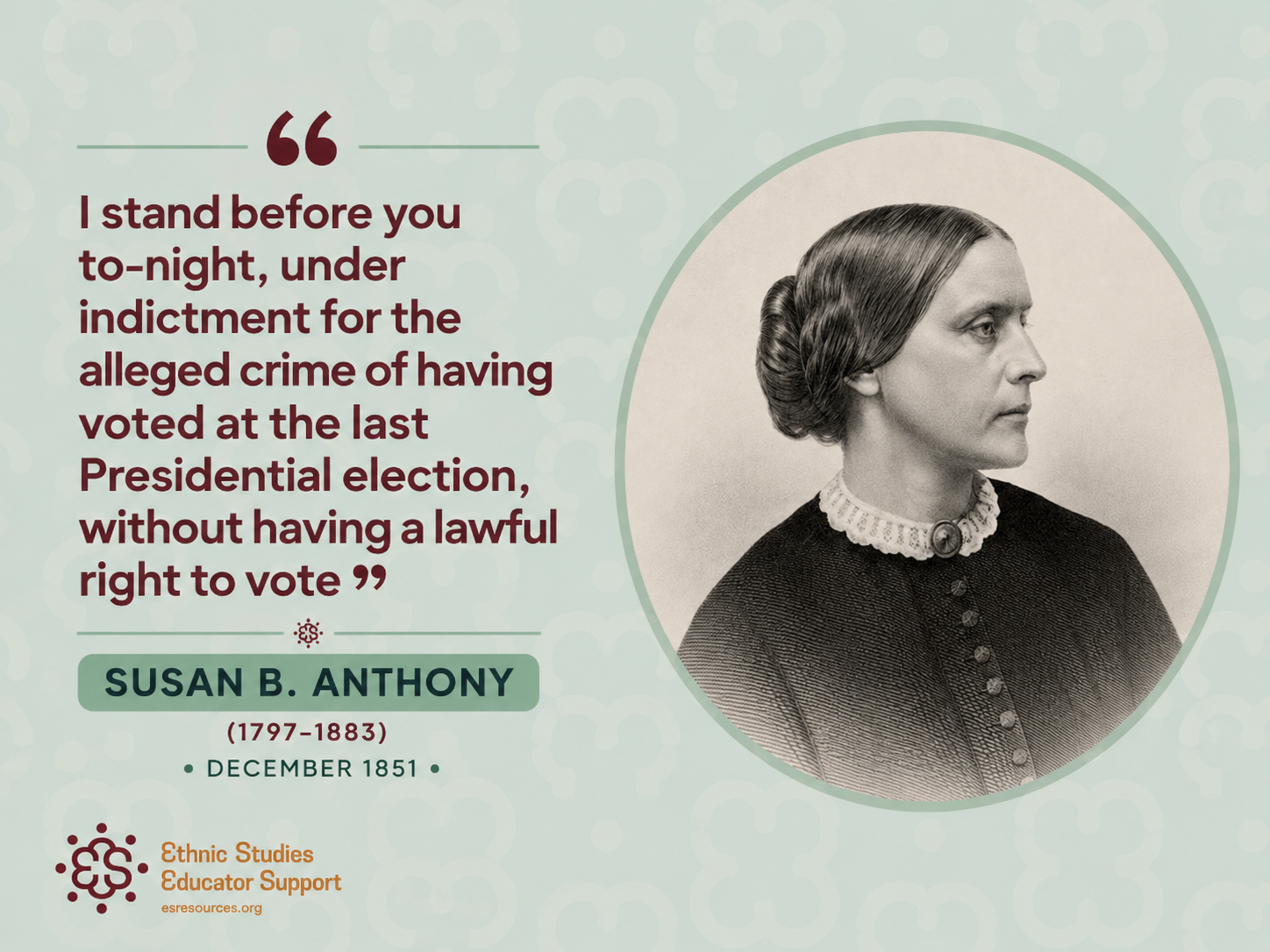
“Is it a Crime to Vote?” Speech by Susan B. Anthony (1872-1873)
-
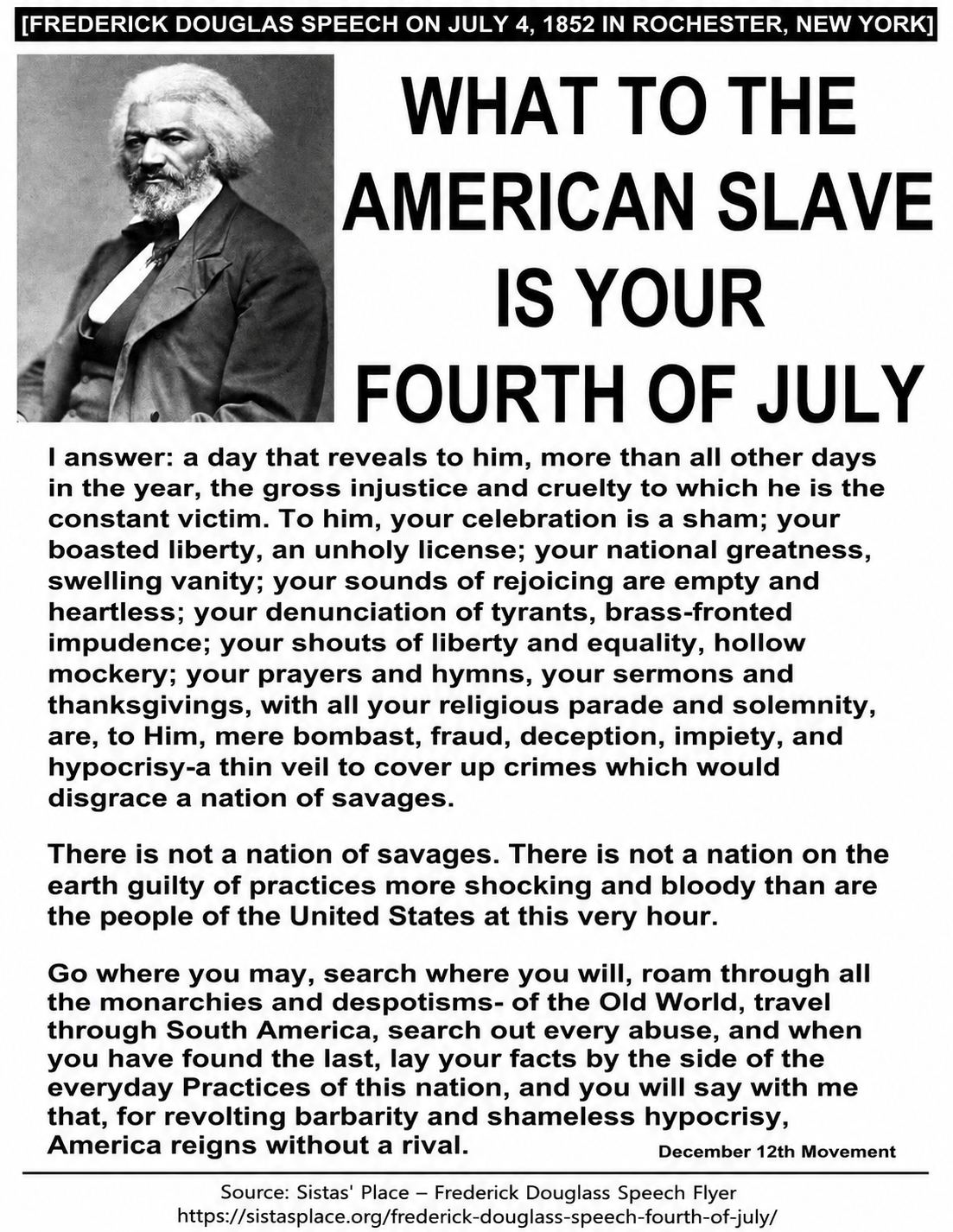
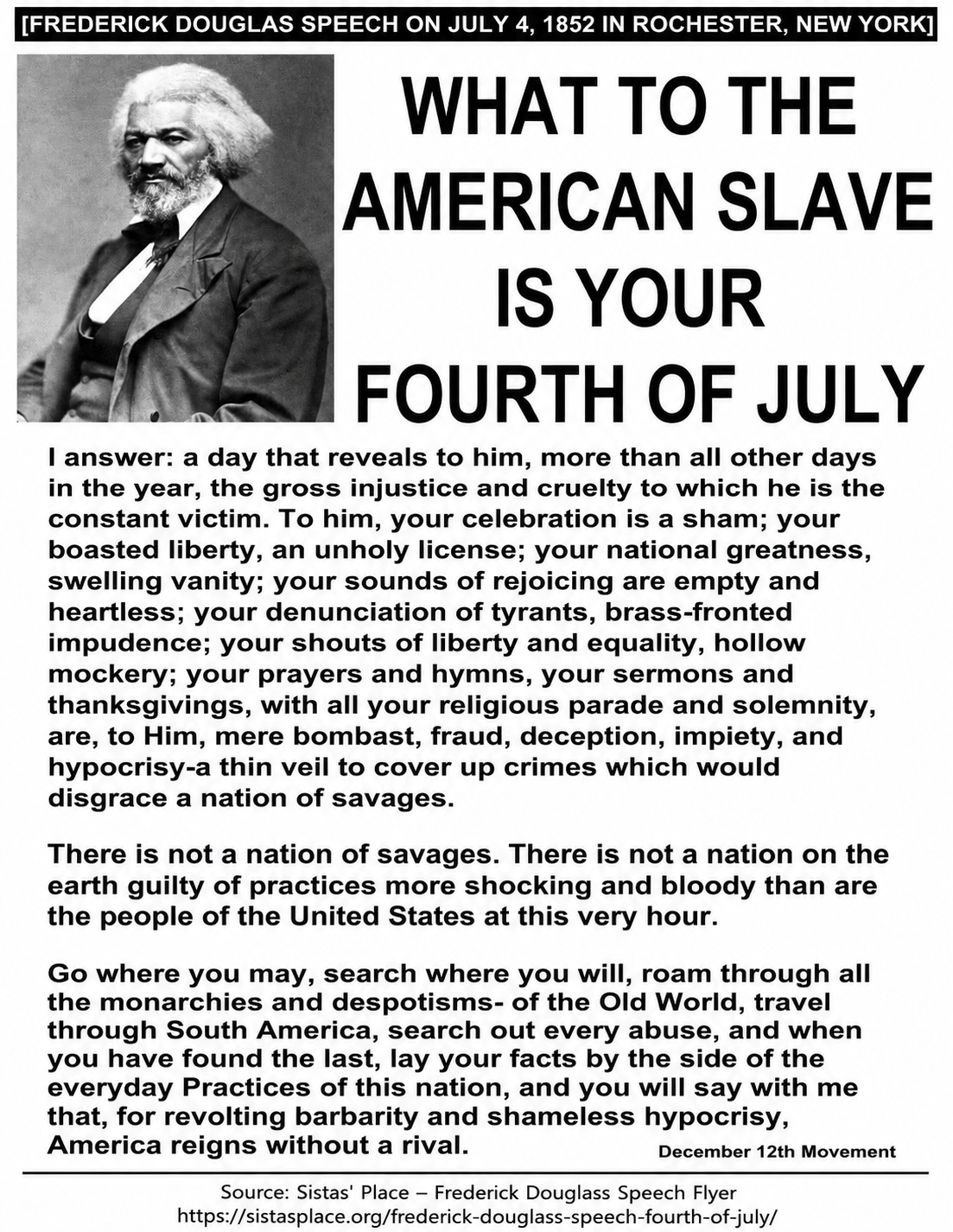
Frederick Douglass’ Historic Speech: “What to the Slave is the Fourth of July?” (July 5, 1852)
-
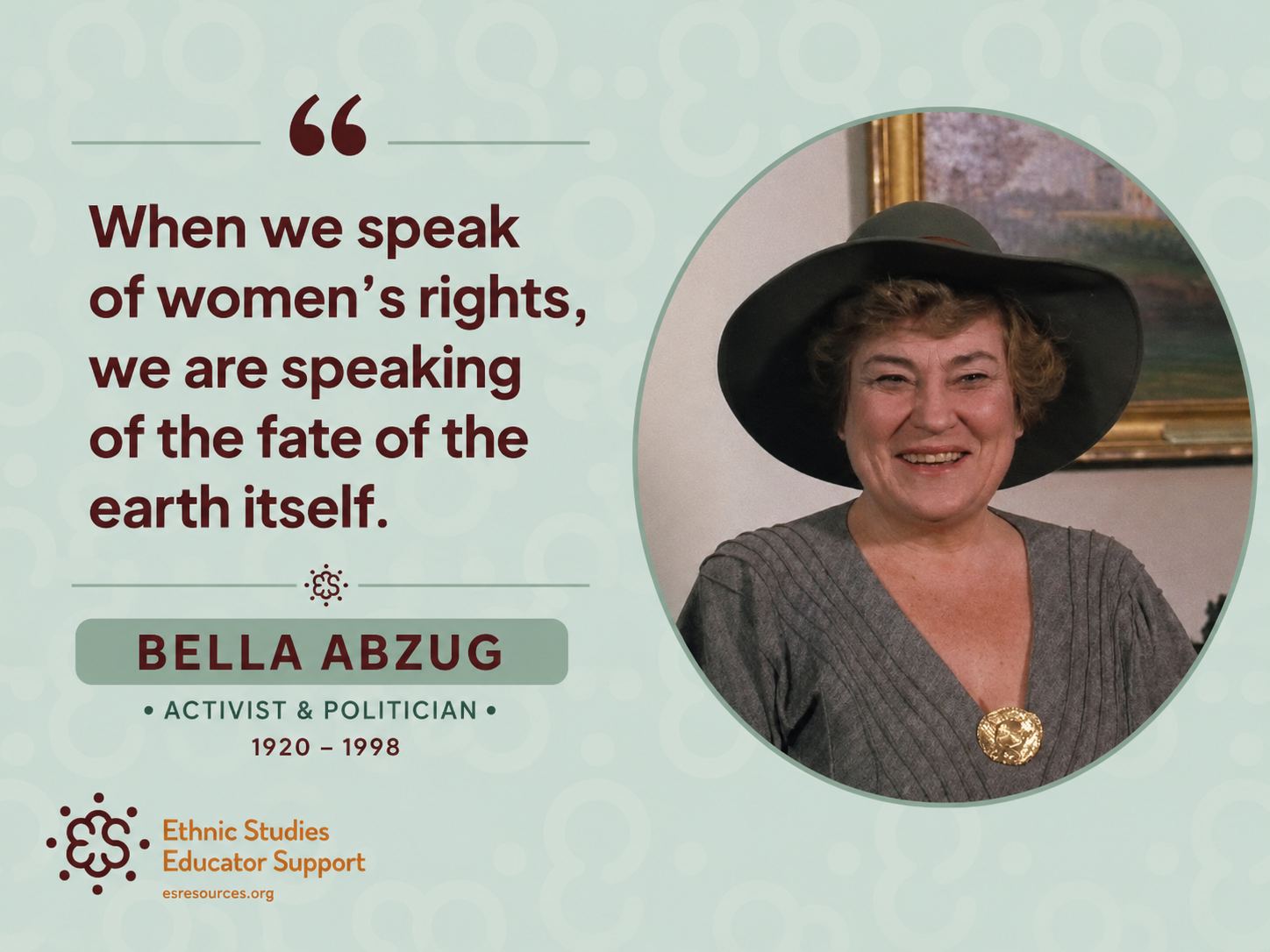
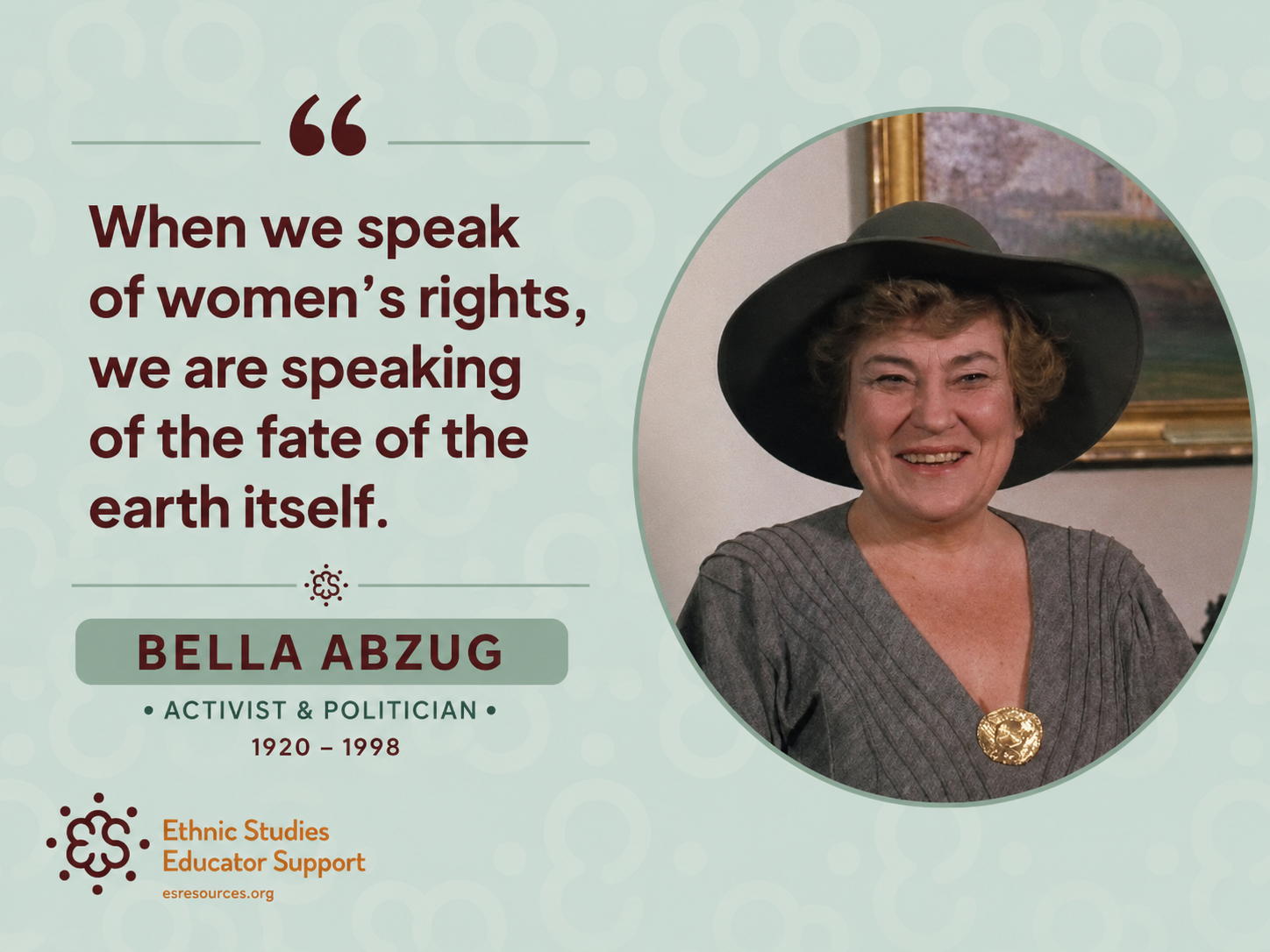
“Women and the Fate of the Earth” Speech by Bella Abzug (March 17, 1990)
-
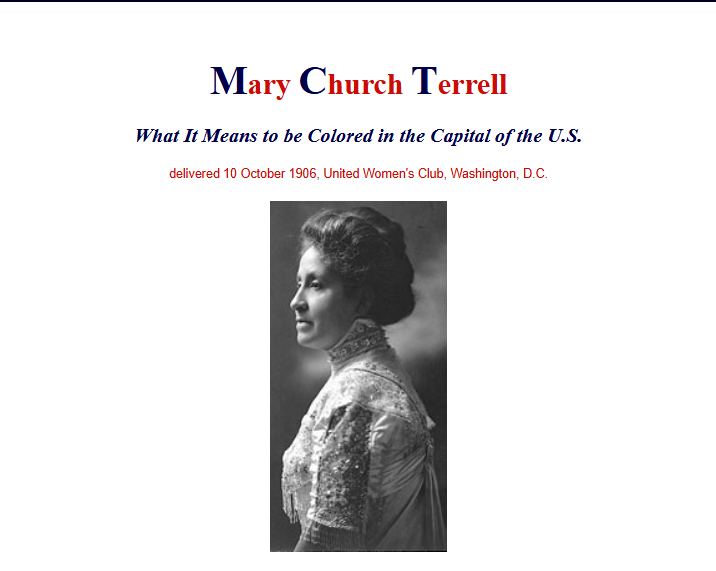
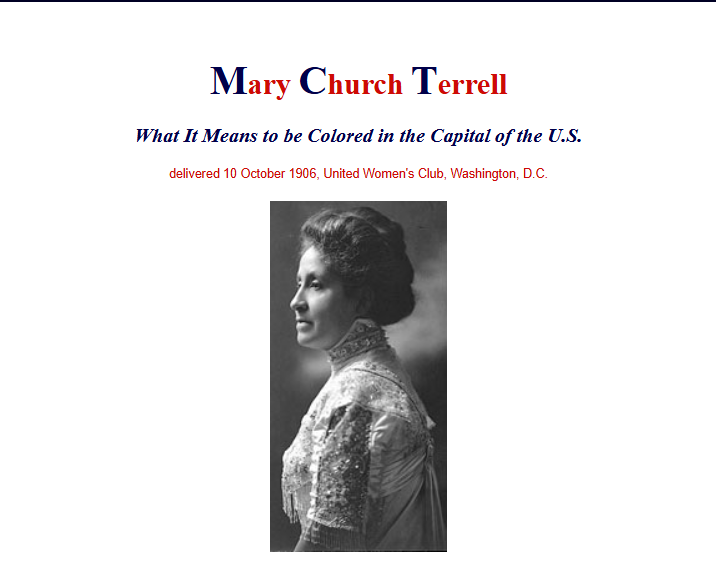
“What it Means to be Colored in the Capital of the U.S.” Speech by Mary Church Terrell (Oct. 10, 1906)
Members
Sign in to continue
Sign in to download this file. It's free to register, and we will bring you straight back to this page.
Or continue with email
No account? Register