Skip to content
ESResources.org
ESR / Websites / Reading Sa I Gu | An archive of writings and images on the 1992 Los Angeles Civil Unrest

Reading Sa I Gu | An archive of writings and images on the 1992 Los Angeles Civil Unrest.
Asian American Pacific Islander Studies

Welcome Back!

Already Registered?

  1. PASSWORDLESS LOGIN – Already Registered? EASY, simply enter your registered email and a login link with be emailed to you.
  2. TRADITIONAL LOGIN – If you have your username & password, you can login using this method or reset your password if you forgot.

Either method will work for REGISTERED USERS. If you have not registered, you must register first before accessing the site.

💬 👋 Need help logging in?
🔒 Login Help
Hi! Enter your email and I’ll generate a login link. No password or email needed.

NOTE: You MUST be registered to view the content on this site. If you have NOT registered:

First Time To Our Site?

Korean American Studies
https://learn.aasc.ucla.edu/saigu/
Reading Sa I Gu | An archive of writings and images on the 1992 Los Angeles Civil Unrest

About the resource

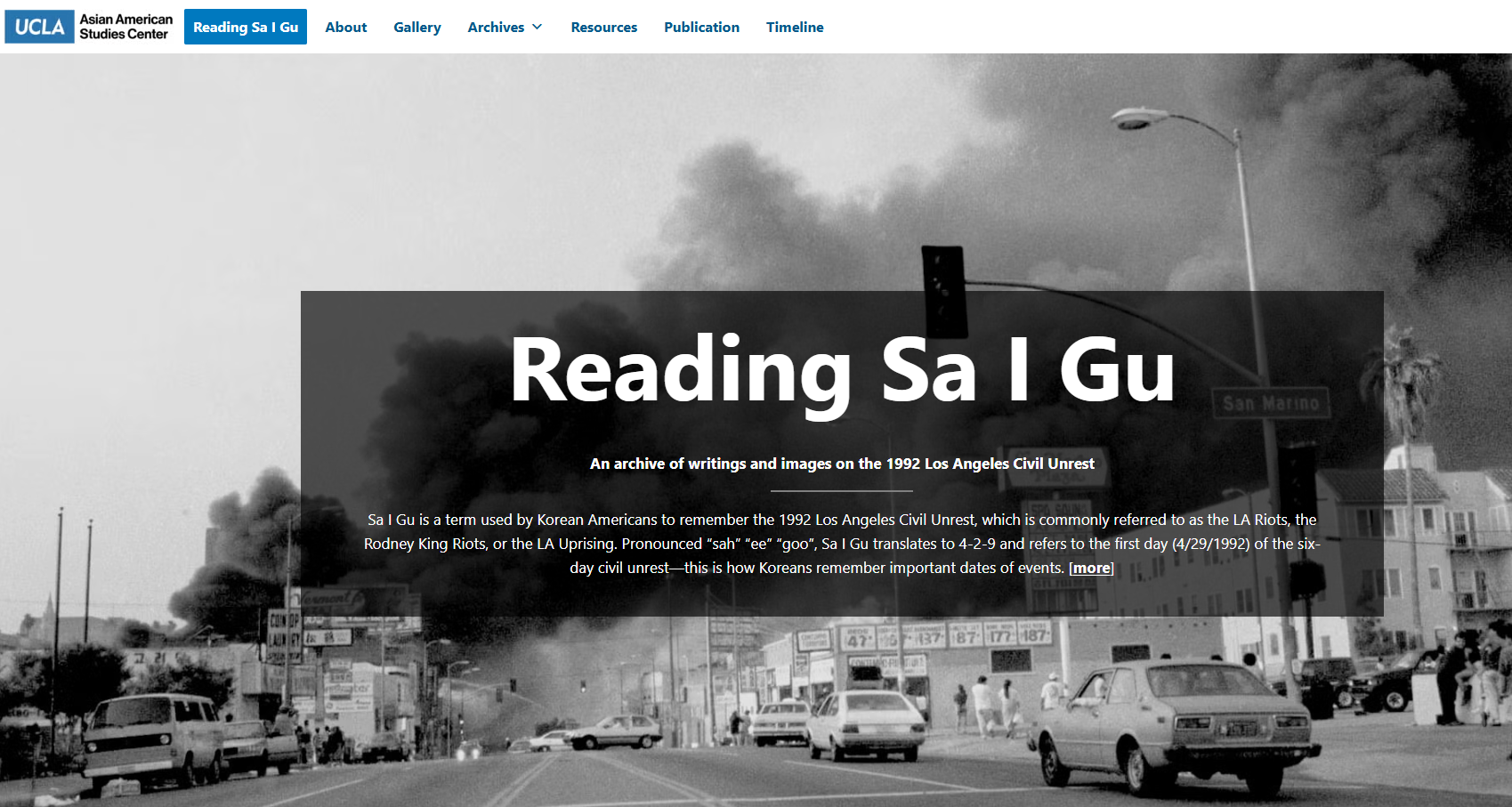
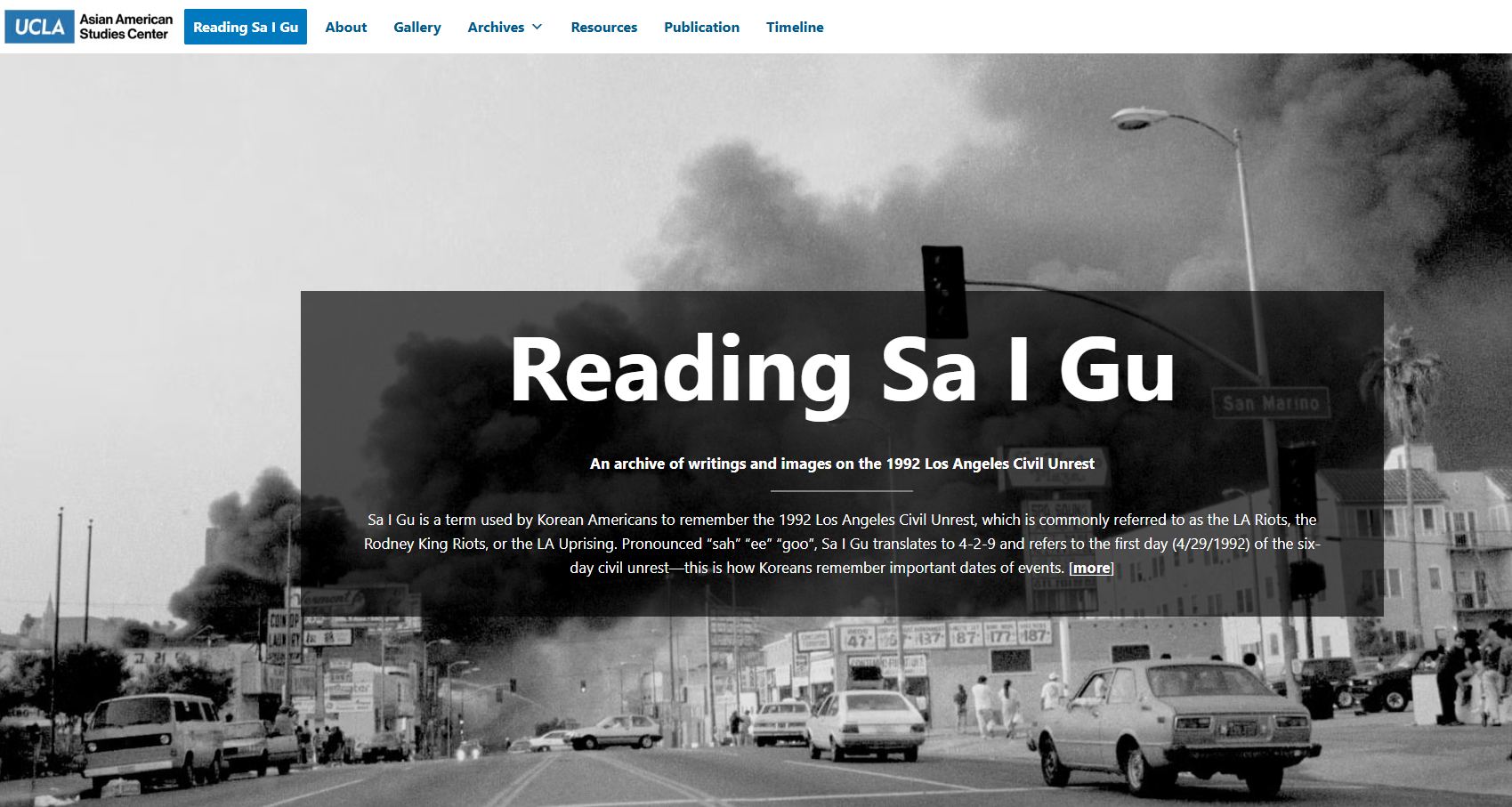
Sa I Gu is a term used by Korean Americans to remember the 1992 Los Angeles Civil Unrest, which is commonly referred to as the LA Riots, the Rodney King Riots, or the LA Uprising. Pronounced “sah” “ee” “goo”, Sa I Gu translates to 4-2-9 and refers to the first day (4/29/1992) of the six-day civil unrest—this is how Koreans remember important dates of events. Using this term to recognize the event rather than calling it by its many other names means that the civil unrest is being thought and talked about through the experiences of the Korean American community. Sa I Gu was a very hard time for much of the Korean American community, especially in Los Angeles. For the Korean American community, which at the time was majority non-US citizen who had recently moved to the United States, it dramatically changed their understanding of belonging in America. It significantly shaped how the Korean American community started understanding the systems and big ideas—such as race—that had led to those six days of civil unrest and afterwards. Sa I Gu reflected a complicated bundle of experiences and feelings for Korean Americans, they collectively shared an extreme experience of what it meant to be a community of color in America. At the time, they felt targeted, endangered, sad, angry, helpless, and scared in the country where so many of them had chosen to build their lives. Because the Korean American community did not want to feel as helpless as they did during and after Sa I Gu, many community members went on to build community organizations (like afterschool programs or projects with non-Korean communities), run for government office in Los Angeles (like city council representative), and ensure community neighborhoods and spaces (like Koreatown in Los Angeles) would continue to blossom over the next thirty years.

  • Korean American Studies Education Foundation

    Korean American Studies Education Foundation

  • University of Wisconsin-Madison #AtlantaSyllabus: An Asian American Studies Perspective on Anti-Asian Violence in 2021

    University of Wisconsin-Madison #AtlantaSyllabus: An Asian American Studies Perspective on Anti-Asian Violence in 2021

  • UCLA Asian American Studies Center

    UCLA Asian American Studies Center

  • Lost LA

    Lost LA

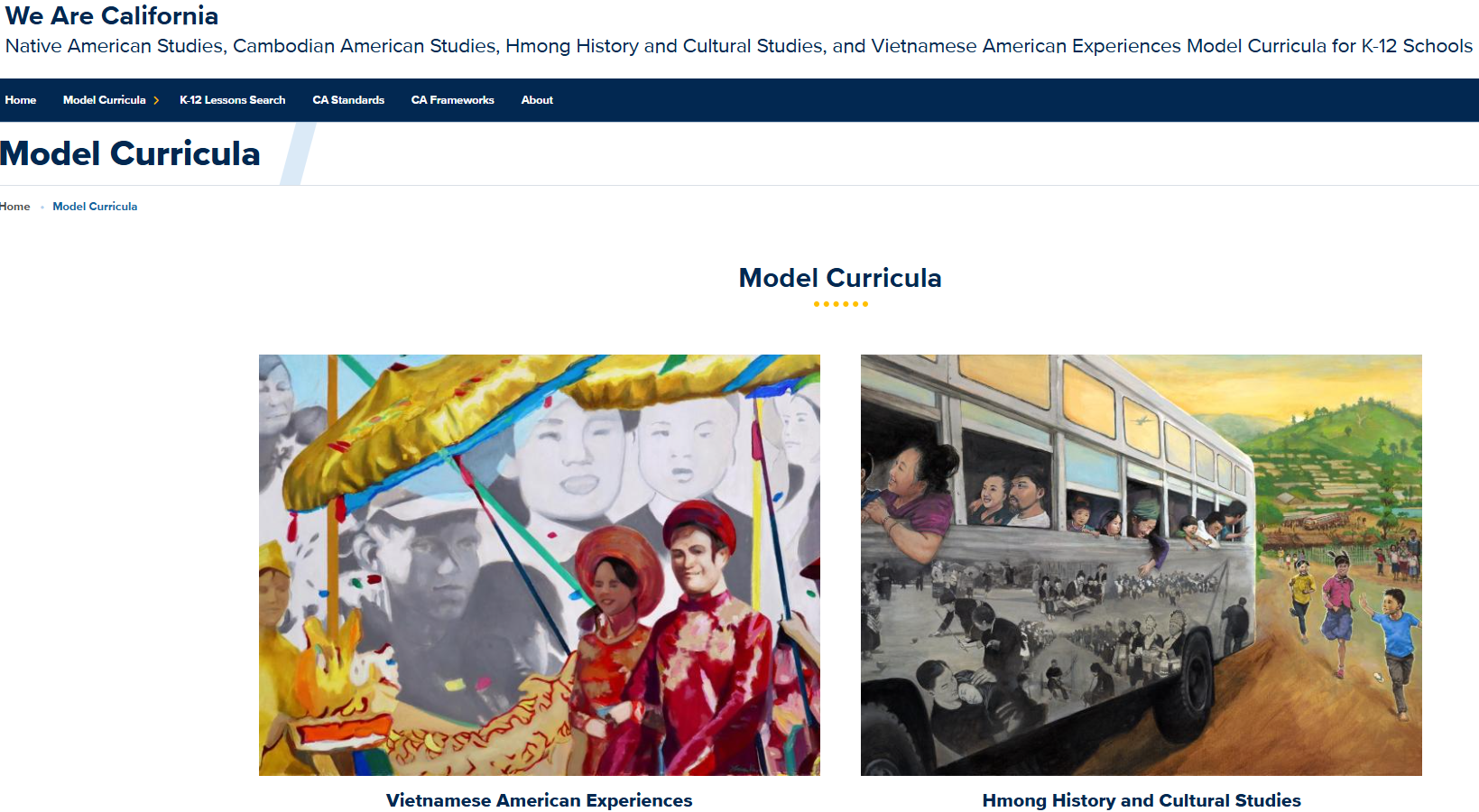
  • We Are California: Model Curricula

    We Are California: Model Curricula

  • PBS: The Asian American Experience

    PBS: The Asian American Experience

  • Densho

    Densho

  • The Asian American Education Project

    The Asian American Education Project

  • Asian American Pacific Heritage Month – May

    Asian American Pacific Heritage Month – May

  • South Asian Americans Leading Together (SAALT)

    South Asian Americans Leading Together (SAALT)

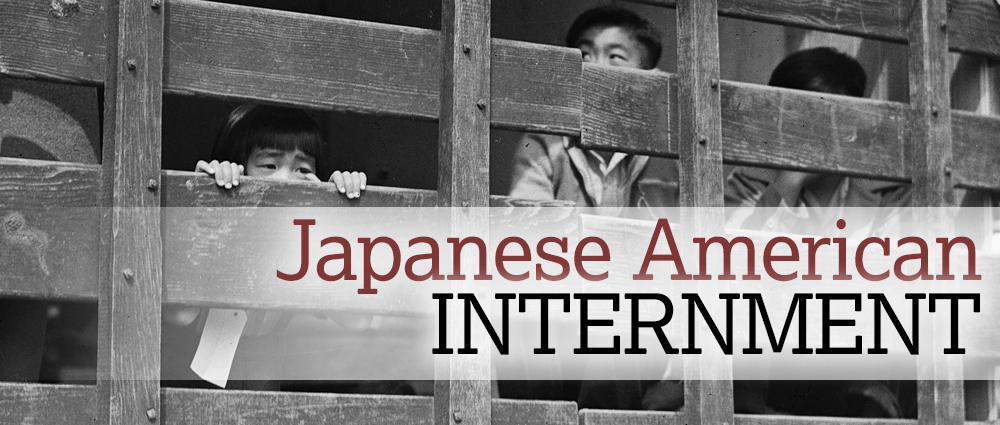
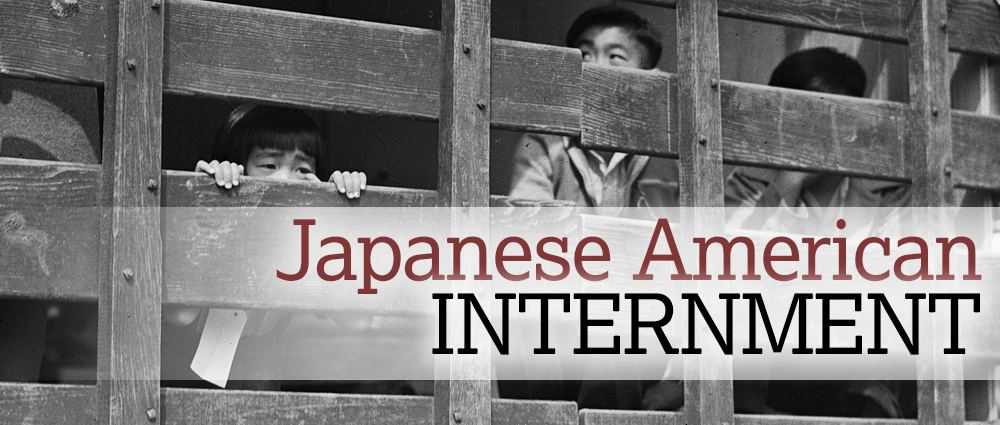
  • The National Archives – Japanese American Internment

    The National Archives – Japanese American Internment

  • The National Archives – Asian Pacific American Heritage Month

    The National Archives – Asian Pacific American Heritage Month

  • USC Shoah Foundation IWitness

    USC Shoah Foundation IWitness

  • Anti-Racist Teaching & Learning Collective

    Anti-Racist Teaching & Learning Collective

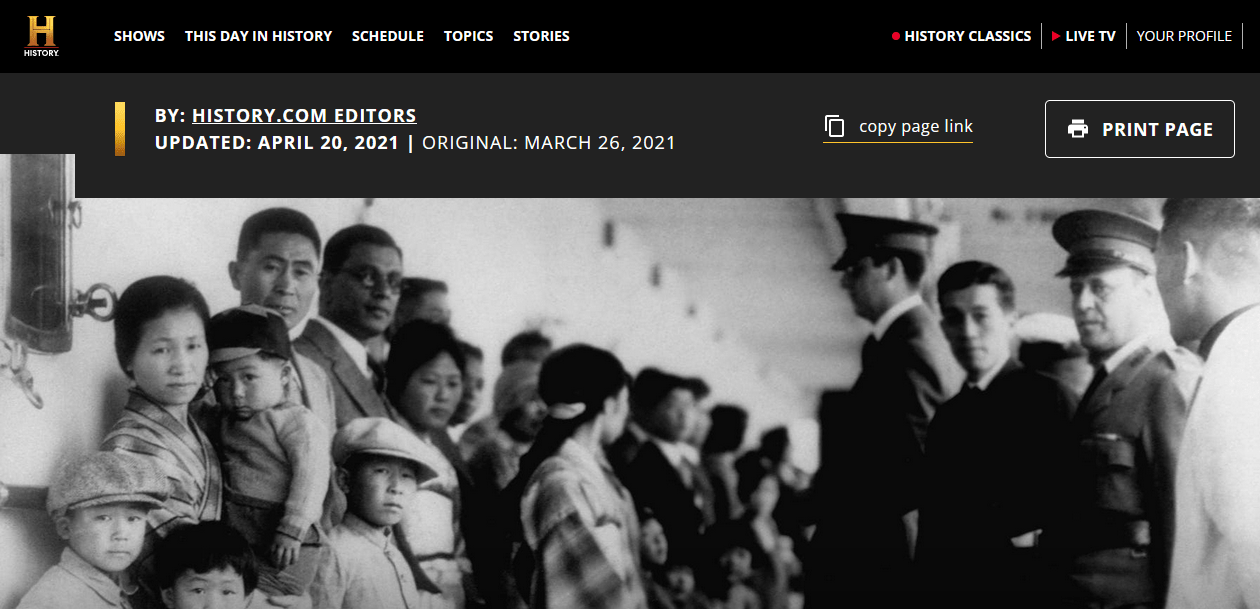
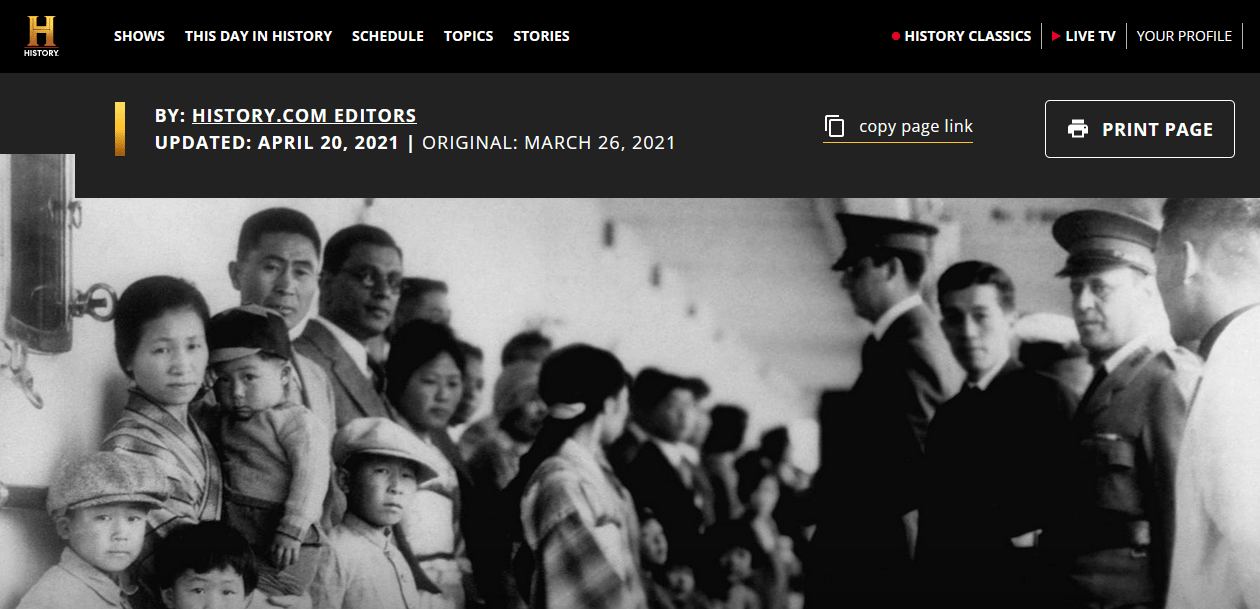
  • The History Channel – Angel Island Immigration Station

    The History Channel – Angel Island Immigration Station

  • Filipino American History Month (October) – Educator Resources from SDCOE

    Filipino American History Month (October) – Educator Resources from SDCOE

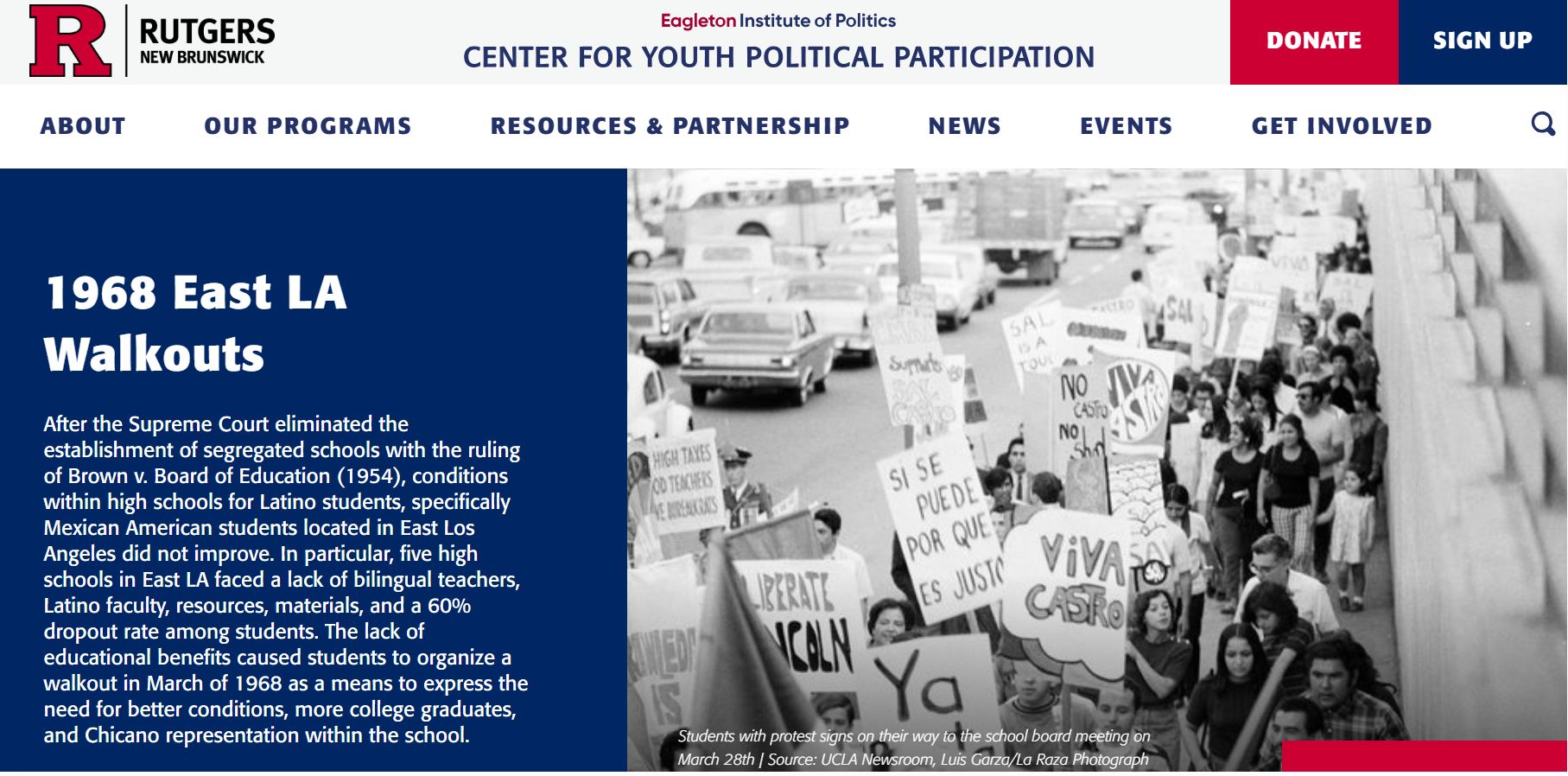
  • Center for Youth Political Participation

    Center for Youth Political Participation

  • Sikh American History Project

    Sikh American History Project

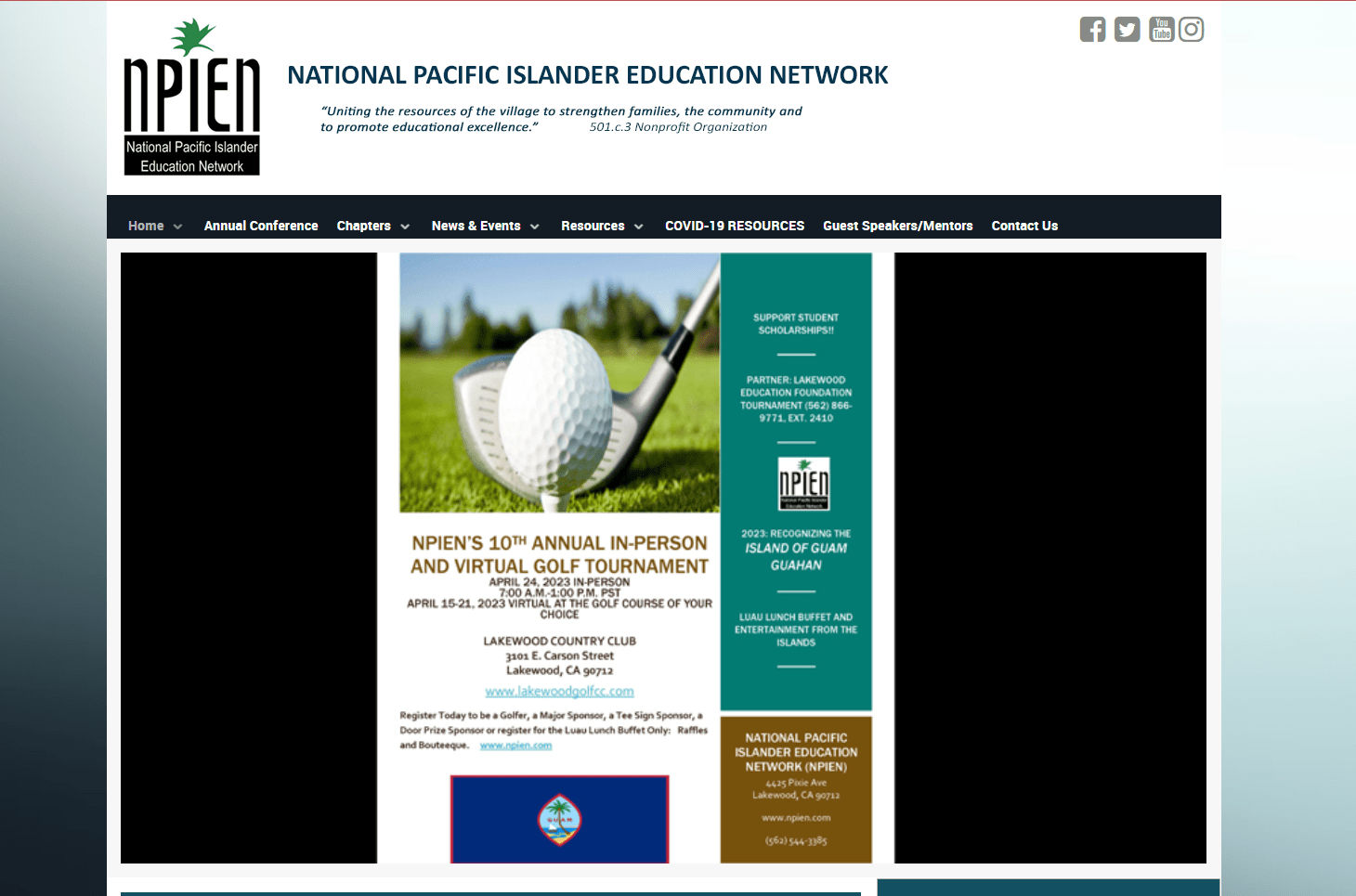
  • National Pacific Islander Education Network

    National Pacific Islander Education Network

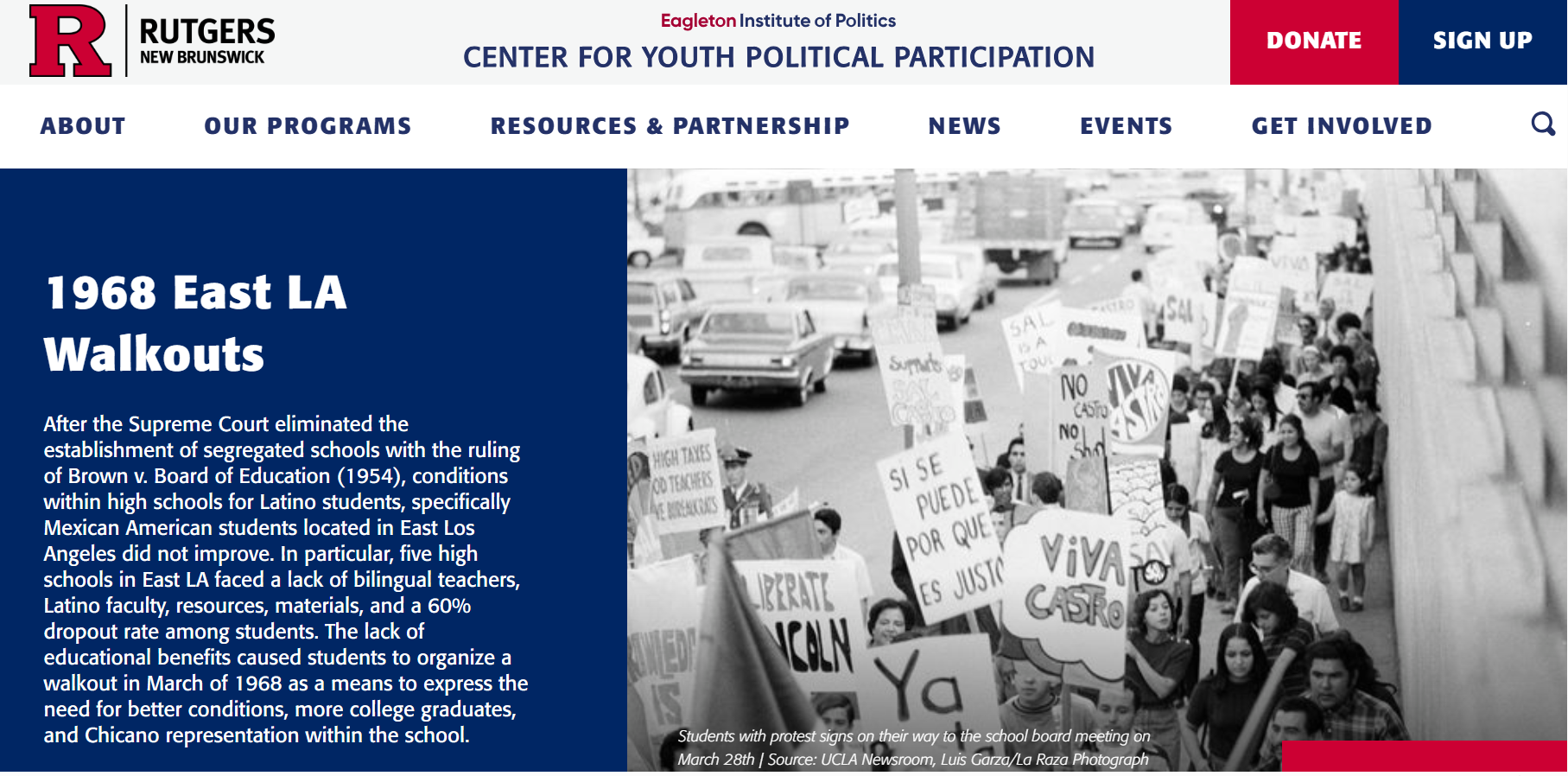
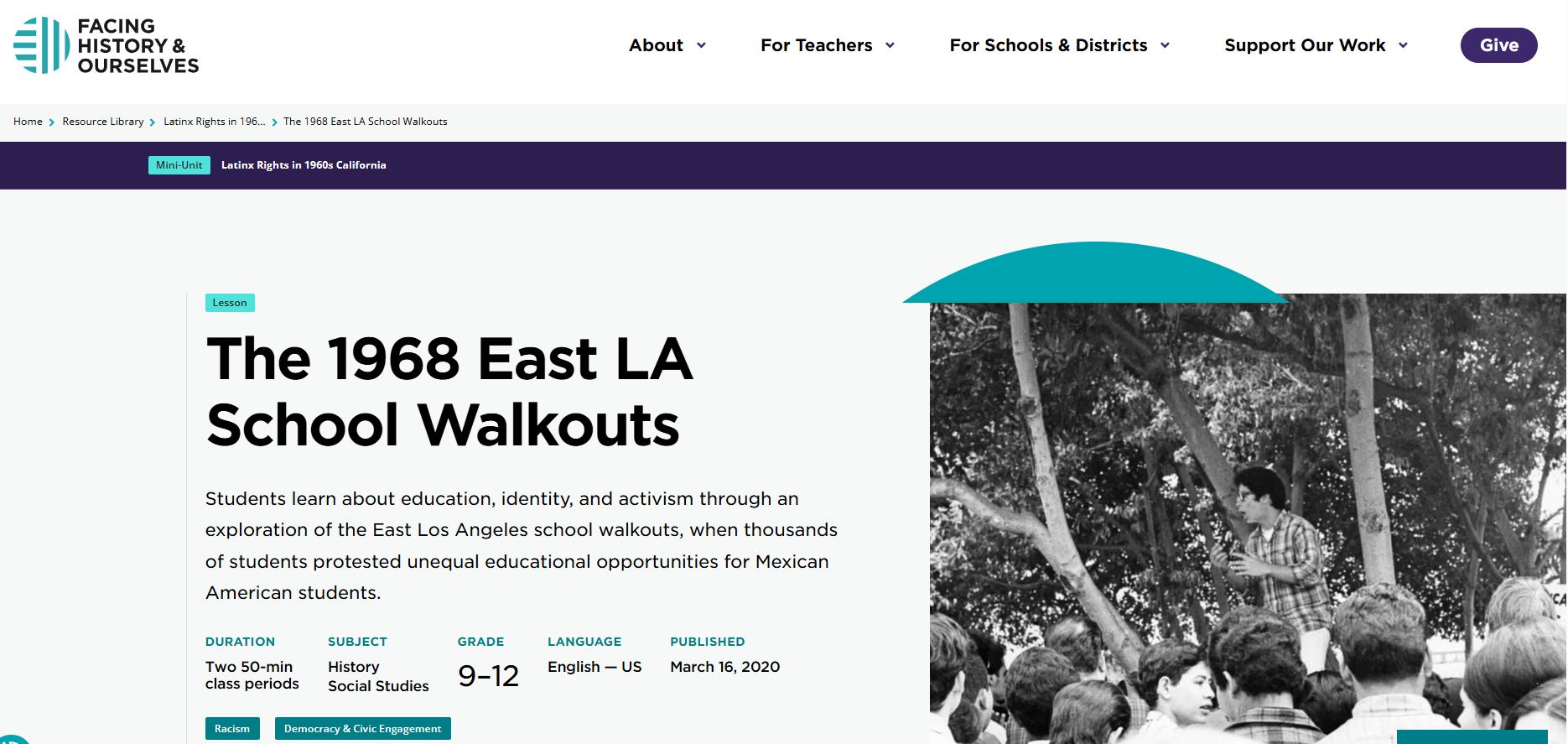
  • The 1968 East L.A. School Walkouts

    The 1968 East L.A. School Walkouts

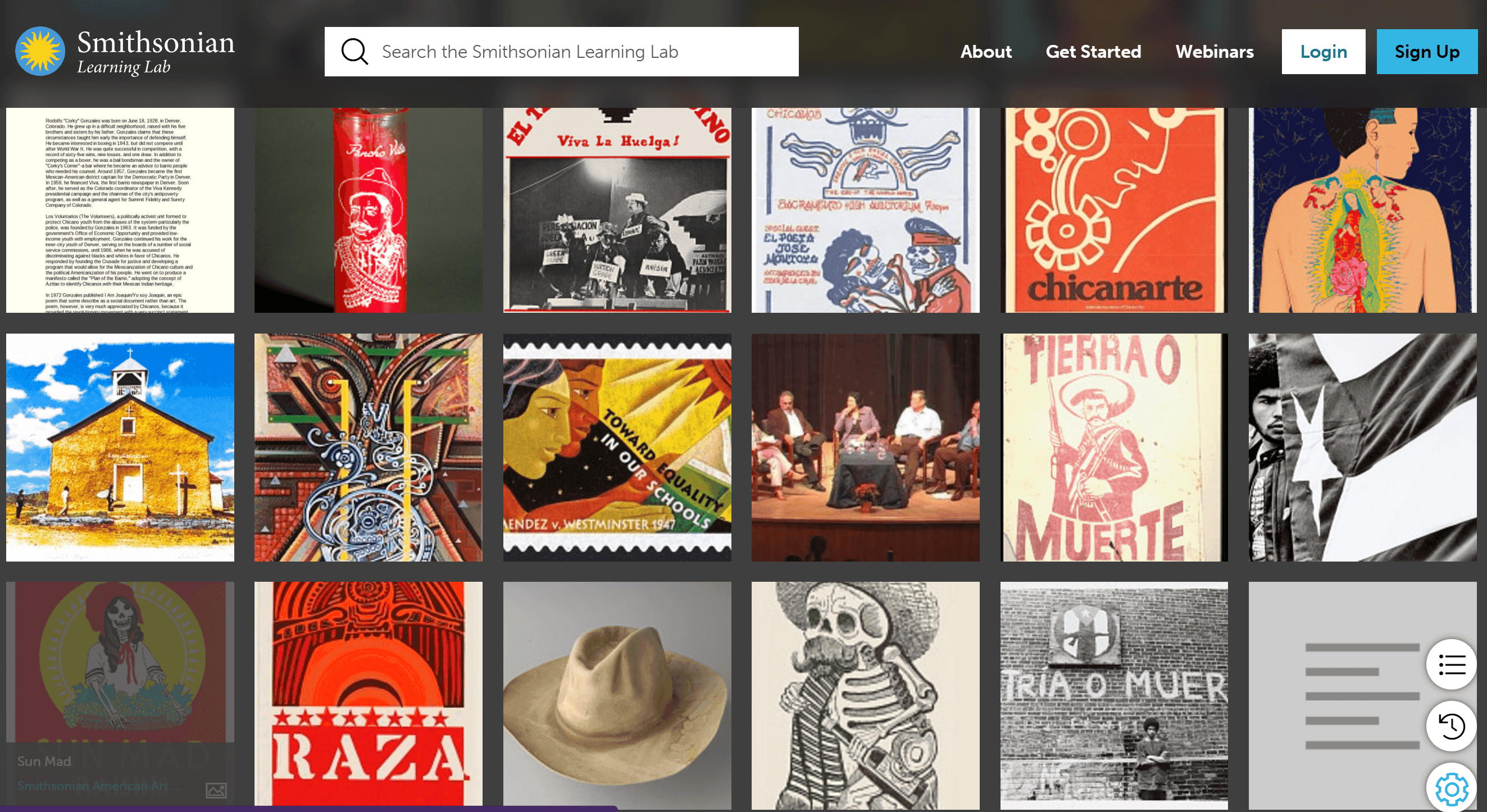
  • Teaching About the Chicano Movement: Smithsonian Learning Lab

    Teaching About the Chicano Movement: Smithsonian Learning Lab

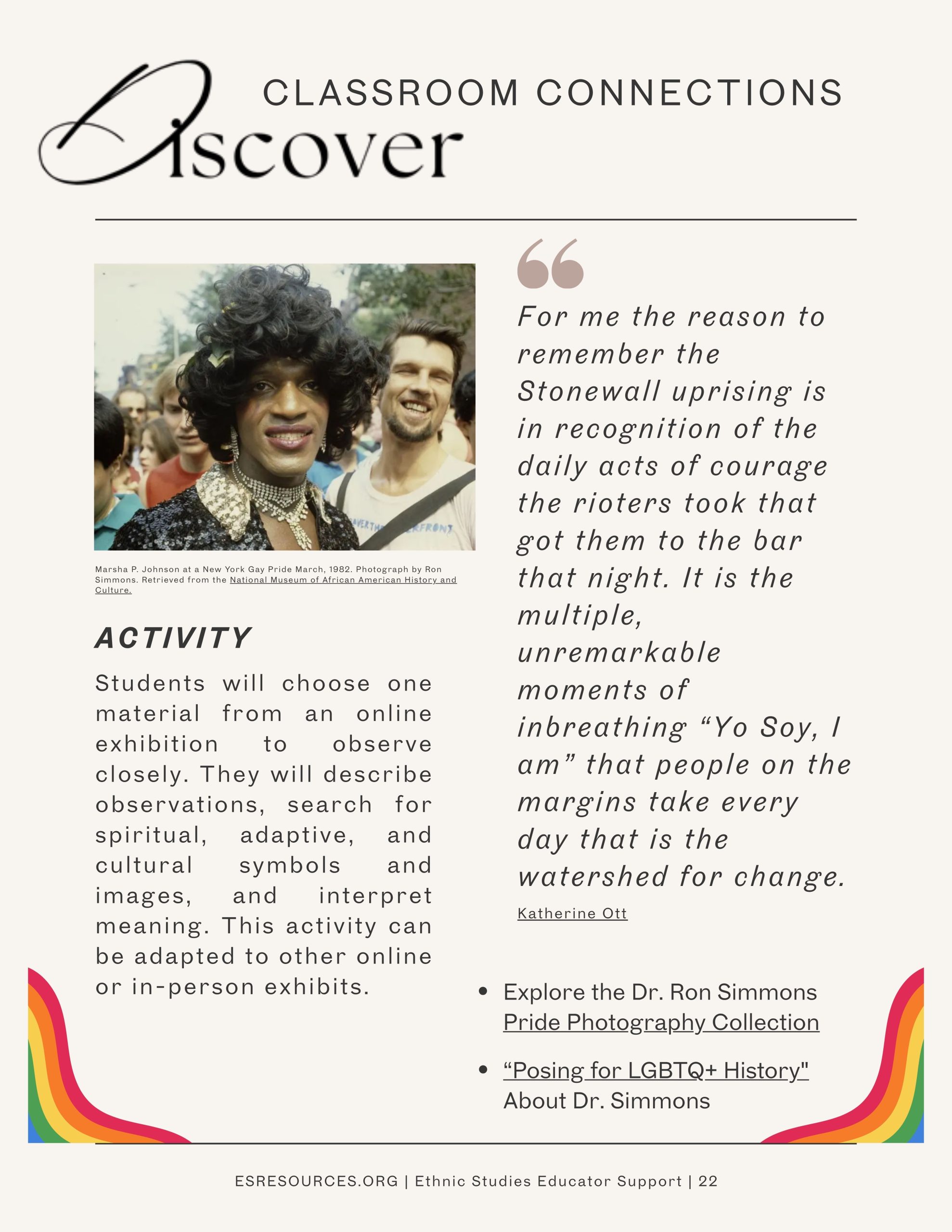
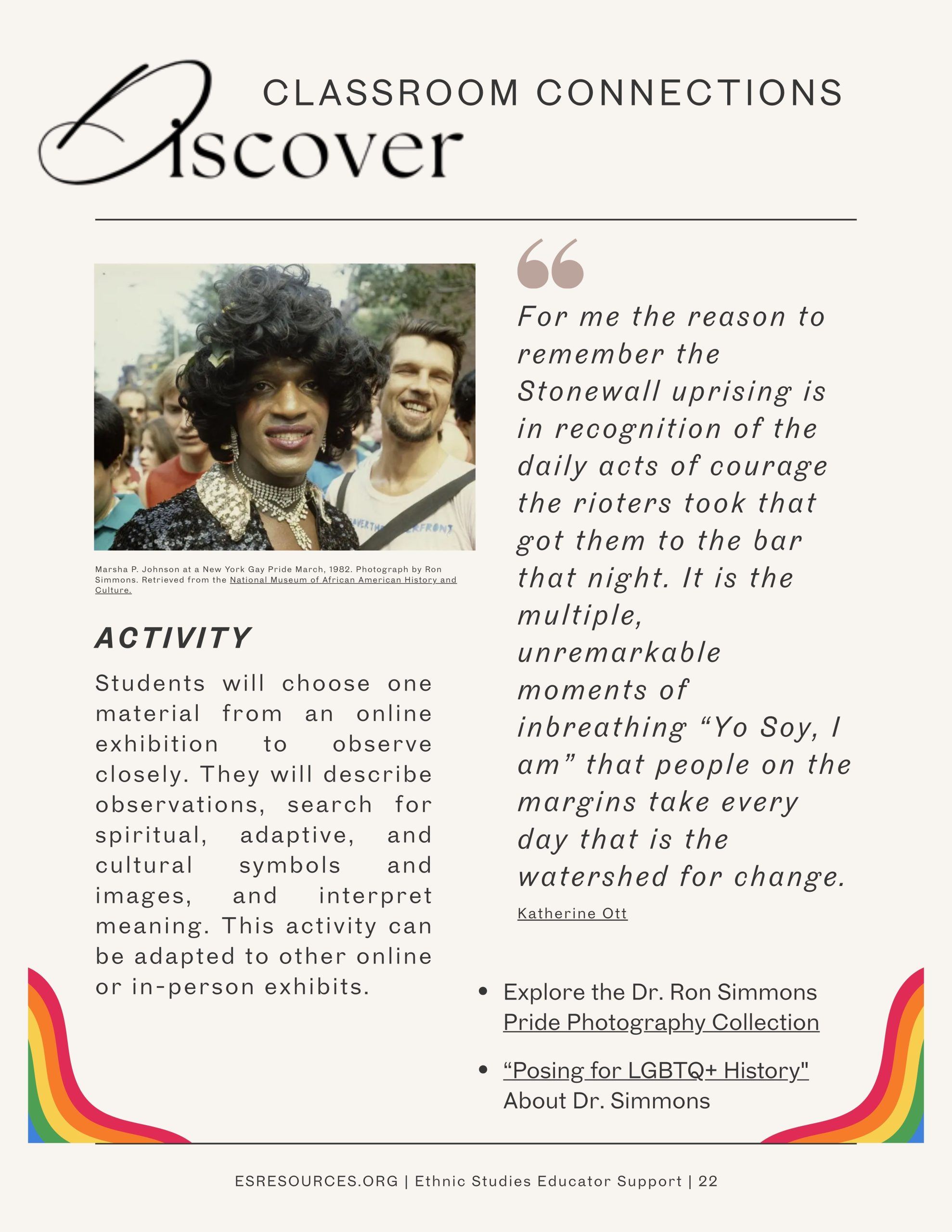
  • Activity – Photography Exhibition | PRIDE

    Activity – Photography Exhibition | PRIDE

  • The 1619 Project

    The 1619 Project

  • The Sikh Coalition

    The Sikh Coalition

Create a free account

Register to download PDFs, use the AI lesson planner and apply for classroom grants. It's free.

Register Sign in